TMJ Disorder: Why Your Jaw Clicks and Hurts
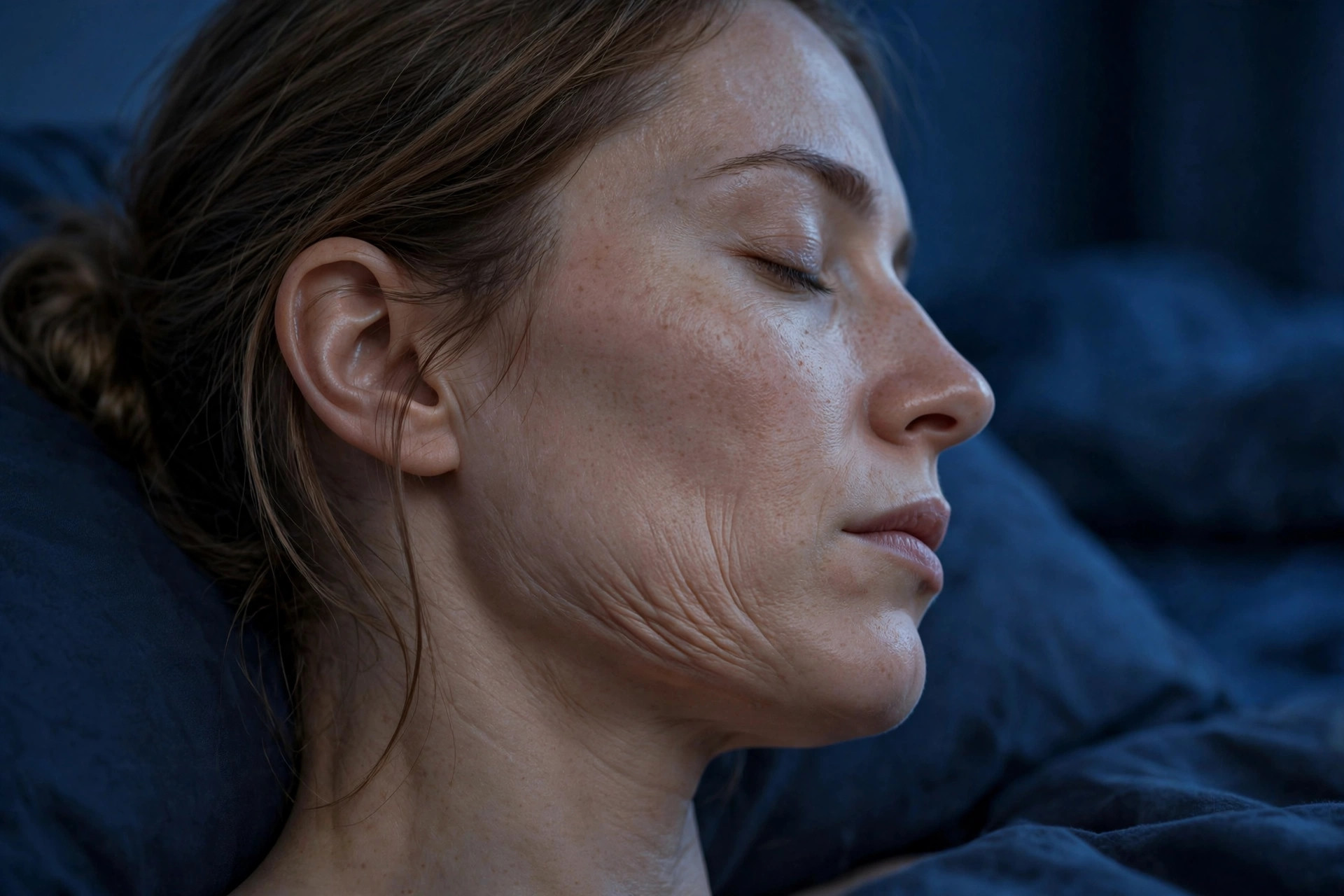
You are halfway through a sandwich when it happens: a loud click in your jaw, followed by a dull ache that spreads toward your ear and temple. By dinner, chewing feels stiff, yawning hurts, and a headache is settling in behind your eyes.
If that sounds familiar, the culprit is often your temporomandibular joint — the TMJ — the hinge that connects your lower jaw to your skull, just in front of each ear. Disorders of this joint, known collectively as TMJ disorders or TMD, are surprisingly common. The National Institute of Dental and Craniofacial Research estimates they affect roughly 5 to 12 percent of the population, and they strike women about twice as often as men, most often between ages 20 and 40. Most cases are not dangerous. But they can be miserable, and they are frequently misunderstood.
What the TMJ actually is — and why it clicks
The TMJ is one of the most hardworking joints in your body. It slides and rotates every time you talk, chew, yawn, or swallow — thousands of times a day. Between the jawbone and the skull sits a small disc of cartilage that acts as a shock absorber, letting the joint glide smoothly.Clicking and popping usually happen when that disc slips slightly out of place. As you open your mouth, the jawbone catches up to the disc with a pop; as you close, it slips again with a click. Think of it like a knee that clicks when you squat: noisy, but not necessarily damaged. Many people have jaw clicking with no pain at all, and for them it usually needs no treatment.
Pain enters the picture when the joint, the disc, or the surrounding muscles become inflamed or overworked. That is when clicking turns into aching, stiffness, locking, and headaches.
The most common causes
TMJ disorders rarely have a single cause. Usually, several factors stack up:- Teeth grinding and clenching (bruxism). This is the biggest driver. Grinding at night or clenching during a stressful workday overloads the jaw muscles and joint. Many people have no idea they do it until a dentist spots worn-down teeth.
- Stress and muscle tension. The jaw is where a lot of Americans carry stress. Clenching while answering emails, sitting in traffic, or worrying at 2 AM keeps the muscles contracted for hours, leaving them sore and fatigued.
- Injury or overuse. A blow to the jaw, whiplash from a car accident, or a long dental appointment with your mouth propped open can irritate the joint. So can chewing gum all day or biting your nails.
- Arthritis. Osteoarthritis can wear down the cartilage in the TMJ just as it does in knees and hips, especially after age 50. Rheumatoid arthritis and other inflammatory conditions can affect it too.
- Bite and alignment problems. A misaligned bite or missing teeth can shift how force moves through the joint, though bite problems alone are less often the cause than people assume.
Symptoms that point to TMJ
TMJ disorders can masquerade as other problems, which is why they are often missed. Watch for this cluster:- Clicking, popping, or grating sounds when you open or close your mouth
- Pain or tenderness in the jaw, face, or around the ear
- Aching that worsens with chewing, talking, or yawning
- Jaw stiffness, limited opening, or a jaw that locks open or shut
- Headaches, especially around the temples, and neck or shoulder tension
- Ear symptoms — ringing, fullness, or mild hearing changes — with no ear infection
Note: TMJ pain is usually tied to jaw movement. Ear pain with fever or discharge, or a headache with vision changes, needs prompt medical attention.
What actually helps: start simple
Most TMJ disorders improve with conservative care, and most people never need surgery:### 1. Rest the jaw (but do not immobilize it)
Give the joint a break for a couple of weeks: cut food into smaller pieces, skip extra-chewy bagels and steak, and retire the chewing gum. When you are not eating, keep your teeth slightly apart with lips closed — this "rest position" relaxes the jaw muscles. Avoid wide yawning and cradling your phone between your ear and shoulder.
2. Heat, ice, and over-the-counter relief
A warm, damp washcloth on the jaw for 15 minutes loosens tight muscles; ice helps if the joint itself feels inflamed. Over-the-counter anti-inflammatories such as ibuprofen can ease a flare, but they are a short-term bridge, not a daily solution. If you need them for more than a week or two, see a clinician.
3. Tackle the clenching
If grinding is the driver, the fix is the driver. A custom night guard from your dentist keeps the jaw from clenching hard at night and protects your enamel. Store-bought boil-and-bite guards are cheaper, but they fit worse and can make some people clench more, so they are a stopgap. During the day, set a phone reminder to unclench: lips closed, teeth apart, tongue resting on the roof of your mouth.
4. Jaw exercises and physical therapy
Gentle, targeted exercises help many people: slow, controlled jaw opening with the tongue on the roof of the mouth, side-to-side glides, and chin tucks for neck posture. A physical therapist trained in TMJ can also work on neck and upper-back tension, which feeds directly into jaw pain.
5. Stress management is treatment, not a platitude
Because stress-driven clenching is so central, anything that lowers your baseline tension helps the jaw: regular exercise, consistent sleep, and a few minutes of diaphragmatic breathing before bed. Cognitive behavioral therapy has solid evidence for chronic TMJ pain, particularly when pain has become a daily companion.
What about Botox, injections, and surgery?
For persistent cases, a dentist or oral surgeon may discuss corticosteroid injections into the joint, or Botox injections into the overworked jaw muscles to weaken the clench. These can help, but they are temporary and not first-line.
Surgery is reserved for a small minority: severe structural damage, a locked joint that will not open, or arthritis that has destroyed the joint. It is not a fix for ordinary clicking or stress-related pain, and reputable specialists will insist you try conservative care first.
When to see a doctor or dentist
Book an appointment if jaw pain lasts more than two weeks, if your jaw locks, if you cannot open your mouth wide enough to eat normally, or if pain is getting worse despite self-care. Start with your dentist, who can check your bite, teeth, and joint, or your primary care doctor, who can rule out ear, sinus, or nerve problems.
Seek urgent care for jaw pain with chest pain or shortness of breath, sudden facial weakness, or a jaw locked shut after trauma — those are not TMJ flare-ups.
The bottom line
A clicking jaw is common and often harmless, but a jaw that clicks and hurts is telling you something: the joint and its muscles are overloaded, usually by grinding, stress, injury, or arthritis. Rest it, unclench it, treat the grinding, and get help if it lingers. Most TMJ disorders are manageable without surgery.
Rao Sajid is the founder and editor of VitalDaily. He covers everyday health topics — nutrition, sleep, fitness and wellness — turning guidance from public-health sources like the CDC, NIH and FDA into plain, practical advice. More about Rao →
📚 Keep reading:

Cataracts: Why Your Vision Gets Cloudy After 60
Cloudy vision, night glare, faded colors? Cataracts affect millions of Americans over 60. What causes them, when surgery helps, and how to protect your eyes.
Swollen Lymph Nodes: When to Worry (and When Not To)
Found a lump under your jaw? Most swollen lymph nodes are just your immune system at work. Here is how to tell a harmless gland from one that needs a doctor.

Tennis Elbow: Why Your Elbow Aches and How to Fix It
Tennis elbow strikes far more desk workers than tennis players. Here is why the outside of your elbow aches, what actually heals it, and when to see a doctor.