Why Cold Weather Makes You Pee More Often
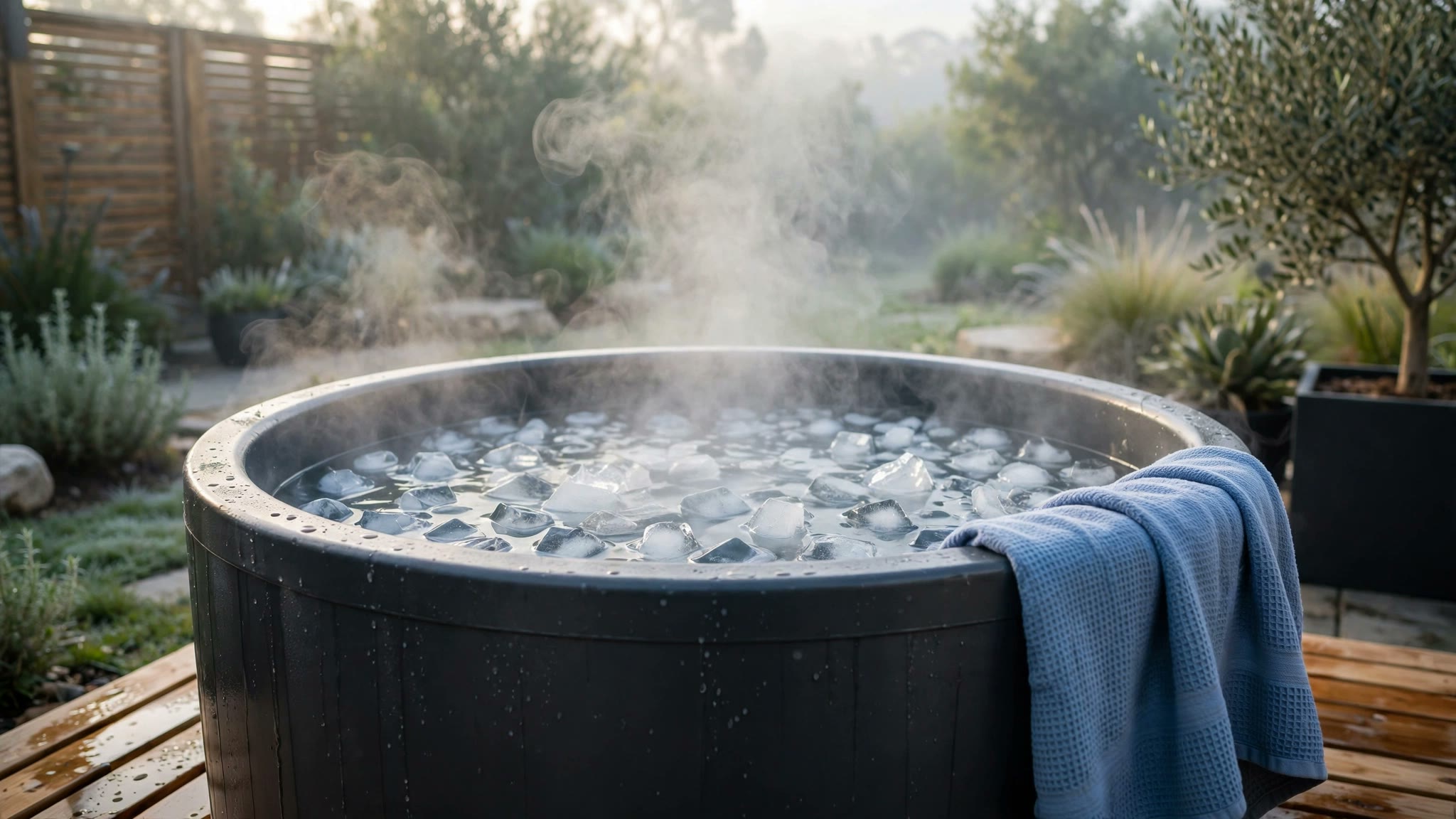
Step outside on a cold January morning and, within minutes, you need a bathroom. Skiers, hunters, runners, and anyone who shovels a snowy driveway in the Midwest knows the feeling: the colder it gets, the more often nature calls. It is not your imagination, and it is not just the extra coffee you drank to warm up.
The phenomenon has a name: cold diuresis. It is a normal physiological response, and understanding it can help you stay comfortable, hydrated, and safe through the winter months.
What cold diuresis actually is
When your body gets cold, its first priority is protecting your core temperature. To do that, blood vessels in your arms and legs constrict, pulling warm blood inward toward your heart, lungs, and other vital organs. Physiologists call this peripheral vasoconstriction, and it is the same reason your fingers and toes go numb in the cold.
That shift has a side effect. With more blood now concentrated in your core, your body senses higher blood volume and higher blood pressure in the central circulation. The kidneys respond the way they are designed to: they filter out the "excess" fluid and send it to the bladder. At the same time, cold suppresses a hormone called vasopressin (also known as antidiuretic hormone, or ADH), which normally tells the kidneys to conserve water. Less ADH means more water leaves the body as urine.
The result is a fuller bladder, faster — sometimes within 15 to 30 minutes of cold exposure — even if you have not drunk anything extra.
Why it matters more than a minor annoyance
Cold diuresis is usually harmless, but it creates a genuine winter health trap: dehydration when you least expect it. In summer, sweating reminds you to drink. In winter, you lose water through extra urination without feeling thirsty, and cold air itself dulls your thirst drive. The CDC notes that hypothermia risk rises when the body is dehydrated, because fluid loss impairs circulation and temperature regulation.
This is one reason outdoor workers, hikers, and winter athletes are told to drink on a schedule rather than waiting for thirst. By the time you feel thirsty in freezing weather, you may already be significantly dehydrated.
Cold diuresis also stacks with other winter habits. Alcohol at a holiday party dilates blood vessels and suppresses ADH further, which is why beer seems to go "right through you" on a cold night. Caffeine is a mild diuretic too. And heavy winter clothing makes bathroom trips inconvenient, so people often delay going — which only makes the urgency worse when they finally do.
Cold diuresis vs. other causes of frequent urination
Not every winter bathroom trip is cold diuresis. It helps to know the difference, because some lookalikes deserve medical attention:
- Cold diuresis comes on with cold exposure, fades once you warm up, and is not painful.
- A urinary tract infection (UTI) causes burning, urgency, cloudy or strong-smelling urine, and sometimes fever. The CDC estimates UTIs account for more than 8 million doctor visits a year in the United States.
- An enlarged prostate (BPH) in men over 50 causes a weak stream, dribbling, and nighttime trips that persist in every season, not just outdoors.
- Diabetes can cause excessive urination plus unusual thirst, fatigue, and unexplained weight loss — in any weather.
- Certain medications, especially diuretics ("water pills") for blood pressure, intentionally increase urine output.
If frequent urination is new, painful, bloody, or happening alongside fever, back pain, or constant thirst, see a doctor rather than blaming the weather.
Practical tips for cold-weather bathroom trips
You cannot switch off cold diuresis, but you can manage it:
Drink on a schedule, not by thirst
Aim for steady sips of water throughout the day, even when you do not feel thirsty. Warm drinks count. Keep a bottle handy on winter hikes and outdoor jobs, and drink before you head out, not just after you return.
Empty your bladder before going out
It sounds obvious, but it is the single most effective trick for skiers and shovelers. Starting with an empty bladder buys you the longest comfortable stretch outdoors.
Dress warmly, especially your core and legs
Better insulation means less vasoconstriction and a weaker diuresis response. Layers, insulated boots, and gloves do more than keep you comfortable — they reduce the fluid shift that fills your bladder.
Go when you need to go
Holding urine for a long time in the cold is uncomfortable and can strain the bladder. On a hike or a long drive, plan bathroom stops into the route instead of toughing it out.
Watch the alcohol and caffeine
Both increase urine output and worsen dehydration. If you will be out in the cold for hours — ice fishing, hunting, or working a shift outdoors — save the drinks for after you are back inside and warm.
Take extra care if you are older or have heart disease
Older adults and people with heart or kidney conditions are more sensitive to both fluid shifts and dehydration. If you take a diuretic or blood pressure medicine, ask your doctor whether winter outdoor activity calls for any adjustment. Never change a dose on your own.
When to see a doctor
Cold diuresis itself needs no treatment, and it resolves once you warm up. See a doctor promptly if:
- Frequent urination persists indoors and in warm weather, not just in the cold
- You have burning, pain, blood in your urine, or fever
- You notice constant thirst, dry mouth, and fatigue along with the frequent urination
- You are waking up many times a night to urinate, or your stream is weak and hesitant
- You feel dizzy, confused, or unusually tired after time in the cold — these can be signs of dehydration or hypothermia
A simple urine test and blood pressure check usually sort out whether the cause is weather, medication, or something that needs treatment.
The bottom line
Needing to pee more in the cold is not a quirk or a weak bladder. It is your body doing exactly what it evolved to do: protecting your core temperature by pulling blood inward, and letting your kidneys handle the extra volume. The same mechanism that keeps you warm is the one sending you to the bathroom.
Respect it rather than fight it. Drink steadily, dress warmly, empty your bladder before heading out, and go when you need to go. And if the pattern follows you indoors, or comes with pain, thirst, or fever, get it checked — because while cold diuresis is normal, not every frequent trip to the bathroom is about the weather.
Rao Sajid is the founder and editor of VitalDaily. He covers everyday health topics — nutrition, sleep, fitness and wellness — turning guidance from public-health sources like the CDC, NIH and FDA into plain, practical advice. More about Rao →
📚 Keep reading:

Why You Feel Dizzy After Eating (and How to Stop It)
Feeling lightheaded, sleepy, or shaky after a big meal is not just a food coma. For many Americans, it is a real blood pressure drop called postprandial hypotension, and it is fixable.
Skin Tags: Why You Get Them and When to Worry
Skin tags are small, harmless growths that appear on the neck, armpits, and eyelids. What causes them, when to worry, and how doctors remove them safely.

Holiday Heart Syndrome: When Drinking Triggers AFib
Holiday heart syndrome is an irregular heartbeat triggered by binge drinking, even with no heart disease. How it happens and how to lower your risk.