Holiday Heart Syndrome: When Drinking Triggers AFib
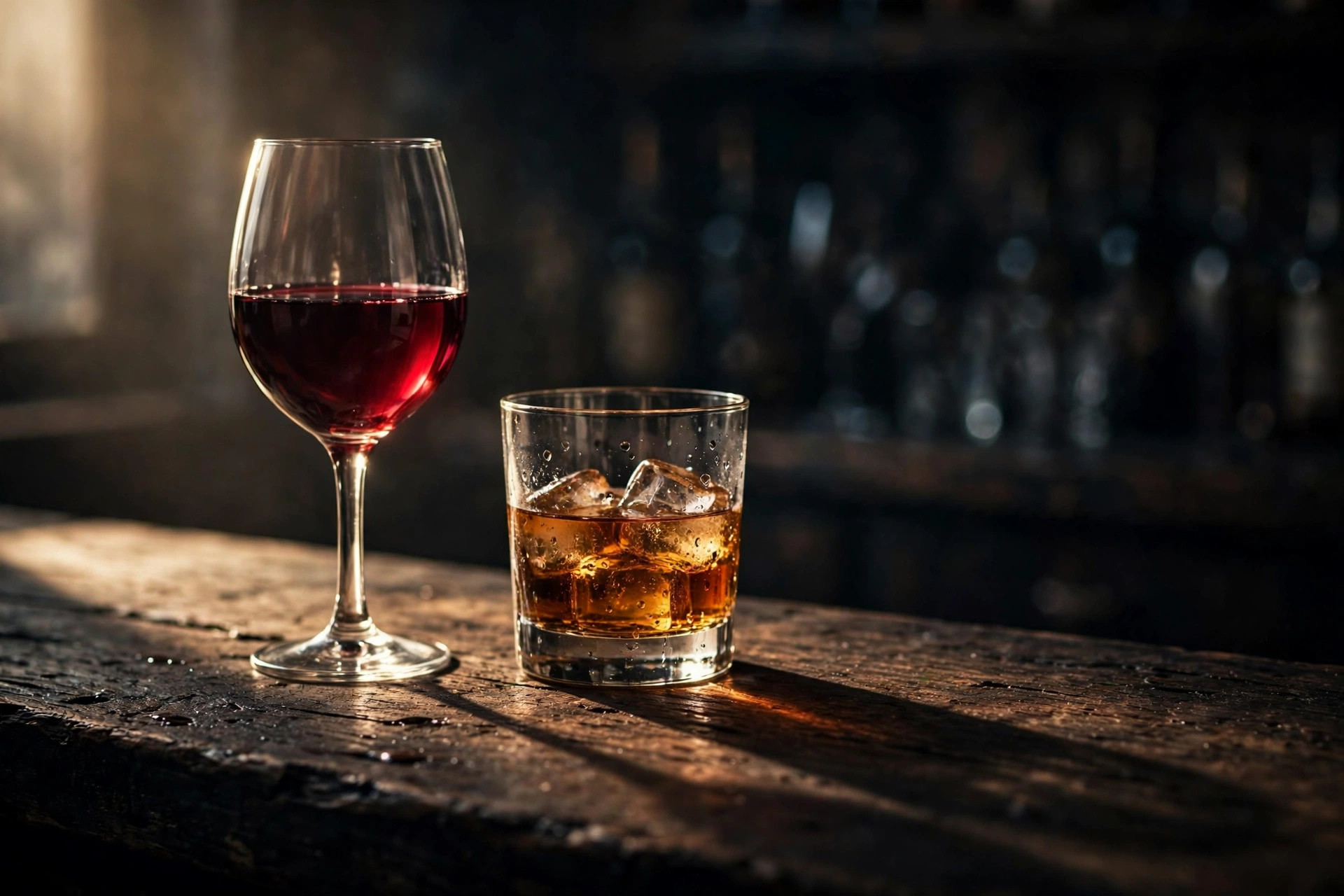
It usually starts the morning after the party. You wake up with a headache, a dry mouth, and something else that feels wrong: your heart is fluttering, racing, or beating unevenly. You have no history of heart disease, yet your heart is misbehaving.
Doctors have a name for this: holiday heart syndrome. First described in 1978, when physicians noticed a spike in irregular heartbeats among otherwise healthy people after alcohol-heavy weekends and holidays, it still fills emergency rooms every Thanksgiving, Christmas, and New Year's weekend.
In most cases the rhythm corrects itself within 24 to 48 hours. But sometimes it does not, and an episode of atrial fibrillation (AFib) is never something to ignore. Here is what is happening, who is at risk, and how to protect yourself.
What holiday heart syndrome actually is
Holiday heart syndrome is not a separate heart disease. It is a pattern: a bout of heavy drinking triggers an abnormal heart rhythm, most commonly AFib, in someone who does not have known heart disease.
In AFib, the heart's upper chambers (the atria) quiver instead of contracting in an organized beat. The result is a fast, irregular pulse that can feel like fluttering, pounding, or a skipped beat. Some people feel nothing at all; others feel dizzy, short of breath, or exhausted.
Alcohol triggers it in several ways at once. It dehydrates you, throwing off the electrolytes (potassium and magnesium) your heart relies on to keep time. It depresses the nervous system, then rebounds into overdrive as it wears off, which is why symptoms often show up the morning after, not during the party. In larger amounts, it is also directly toxic to heart muscle cells, shortening recovery time between beats and making chaotic rhythms more likely.
The CDC defines binge drinking as five or more drinks for men, or four or more for women, on one occasion, typically within about two hours. That is where holiday heart risk climbs sharply, but research has found no truly "safe" amount for AFib: a large analysis found each additional standard drink per day associated with roughly an 8 percent higher risk. Even moderate drinkers who exceed their usual amount at a holiday gathering can cross their personal threshold.
Why the holidays are the perfect setup
The season stacks nearly every trigger at once:
- More alcohol, more often. Office parties, family dinners, New Year's toasts: drinking occasions pile up over a few weeks, and each one is a chance to overdo it.
- Less sleep. Late nights and travel disrupt sleep, and sleep deprivation alone raises AFib risk.
- Salty, heavy food. A Thanksgiving plate of ham, gravy, and processed sides can pack 3,000 to 4,000 milligrams of sodium in one meal, well above the American Heart Association's daily limit of 2,300 milligrams. Sodium spikes blood pressure and stresses the heart.
- Dehydration. Alcohol is a diuretic, and holiday travel and dry indoor air make it worse.
- Stress. Family tension, financial pressure, and packed schedules raise adrenaline and cortisol, both of which can provoke arrhythmias.
The numbers behind AFib in America
AFib is the most common type of treated heart arrhythmia in the United States. The American Heart Association estimates that more than 6 million Americans are living with it, projected to climb past 12 million by 2030 as the population ages.
AFib is more than an unpleasant flutter. When the atria quiver instead of pumping properly, blood can pool and form clots, and a clot reaching the brain causes a stroke. The CDC notes people with AFib are about five times more likely to have a stroke, and AFib-related strokes tend to be more severe. That is why doctors take even a first episode seriously.
Warning signs you should not brush off
Holiday heart symptoms usually appear within 12 to 36 hours after heavy drinking. Watch for:
- A heartbeat that feels fast, fluttering, pounding, or irregular
- Shortness of breath, even at rest
- Dizziness or lightheadedness
- Chest discomfort or pressure
- Unusual fatigue or weakness
- Anxiety or a sense of doom that does not match the hangover
Call 911 immediately if you have chest pain or pressure, severe shortness of breath, fainting, or signs of a stroke: face drooping, arm weakness, or speech difficulty. Do not drive yourself to the hospital if your heart is racing irregularly.
Even without those red flags, an irregular heartbeat lasting more than a few hours, or one that keeps returning, deserves same-day attention. Urgent care or your doctor can run a quick ECG, and if the rhythm has normalized by then, describe exactly what you felt and when; a wearable device or heart monitor can catch the next episode.
What happens at the hospital
The workup is usually straightforward: an ECG, blood tests for electrolytes, and questions about how much you drank and when. Many first episodes convert back on their own or with medication. If the rhythm persists beyond 48 hours, doctors may use electrical cardioversion (a controlled shock under sedation) to reset it, and may prescribe a blood thinner to prevent clots. One holiday episode can also signal an underlying tendency toward AFib, so ask about follow-up.
How to lower your risk this party season
You do not have to skip every celebration. A few guardrails cut your risk sharply:
- Set a hard drink limit before you arrive. Two drinks maximum, for example, decided in advance. The U.S. Dietary Guidelines define moderate drinking as up to two drinks a day for men and one for women, and even that is not risk-free for AFib.
- Alternate every alcoholic drink with a full glass of water. This slows your pace and limits dehydration.
- Eat before you drink, and keep the salt in check. A real meal slows alcohol absorption, and lighter portions of the saltiest dishes help blood pressure stay steady.
- Protect your sleep. One late night is survivable; a week of them is not.
- Know your personal triggers. If your heart has ever raced or fluttered after drinking, treat that as a warning and talk to your doctor before the next big event.
- Skip the "hair of the dog." Drinking the next morning only extends the exposure and raises the odds of a second episode.
If you have already been diagnosed with AFib, ask your cardiologist directly whether any alcohol is safe for you. For many AFib patients, the honest answer is none.
The bottom line
Holiday heart syndrome is a reminder that your heart keeps score even when you feel fine. A single heavy night can knock a healthy heart out of rhythm, and while most episodes pass, some do not, with serious consequences if ignored.
The best holiday plan is a boring one: drink less than you think you can handle, drink plenty of water, eat real food, and sleep. And if your heart flutters the morning after, do not chalk it up to a hangover. Get it checked: a quick ECG can tell you in minutes whether your heart needs rest, or help.
Rao Sajid is the founder and editor of VitalDaily. He covers everyday health topics — nutrition, sleep, fitness and wellness — turning guidance from public-health sources like the CDC, NIH and FDA into plain, practical advice. More about Rao →
📚 Keep reading:
Food Poisoning: Signs, Causes, and What to Do Fast
Stomach cramps hours after a meal? Food poisoning sickens 48 million Americans a year. Learn the warning signs, the worst culprits, and when to get help.

TMJ Disorder: Why Your Jaw Clicks and Hurts
Jaw clicking, popping, or aching when you chew? TMJ disorders affect millions of Americans. Here is what causes them and the treatments that actually work.
Cataracts: Why Your Vision Gets Cloudy After 60
Cloudy vision, night glare, faded colors? Cataracts affect millions of Americans over 60. What causes them, when surgery helps, and how to protect your eyes.