Food Poisoning: Signs, Causes, and What to Do Fast
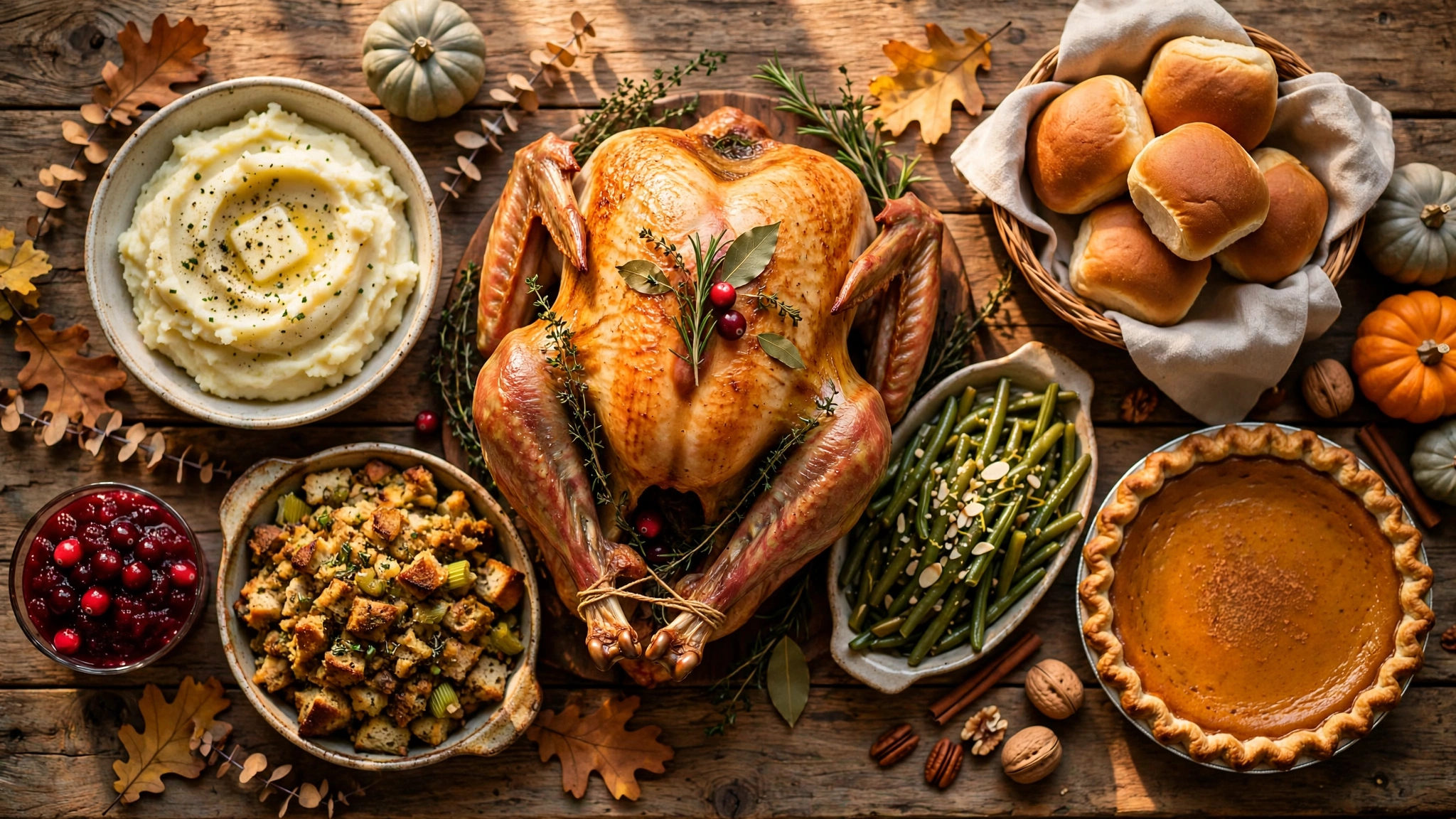
You felt fine at dinner. A few hours later — or maybe the next morning — your stomach is cramping, you are running to the bathroom, and you are wondering whether that potato salad or undercooked burger is to blame.
You are probably right to suspect the food. The Centers for Disease Control and Prevention (CDC) estimates that foodborne illness sickens about 48 million Americans every year — 1 in 6 people — sends 128,000 to the hospital, and causes about 3,000 deaths. Most cases are miserable but short-lived; a few turn dangerous.
How fast does food poisoning hit?
It depends on the culprit. Some toxins act within 30 minutes to 6 hours — Staphylococcus aureus toxin in food left sitting out too long tends to cause sudden vomiting. Most bacterial infections take longer: Salmonella usually strikes 6 hours to 6 days after eating contaminated food, Campylobacter in 2 to 5 days, and Shiga toxin-producing E. coli in 3 to 4 days.
That delay is why food poisoning is hard to pin down: the last thing you ate is often innocent, and the real culprit may have been yesterday's lunch. If several people who shared a meal get sick with similar symptoms, food poisoning jumps to the top of the list.
The symptoms to watch for
Food poisoning means illness caused by germs or toxins in food. The most common symptoms are:
- Nausea and vomiting
- Watery diarrhea
- Stomach cramps and abdominal pain
- Fever, chills, and headache
- Muscle aches and general weakness
Symptoms usually last a few hours to a few days. Norovirus, the single most common cause of foodborne illness in the United States, typically runs its course in 1 to 3 days, while bacterial infections like Salmonella and Campylobacter often last closer to a week. Bloody diarrhea deserves special attention: it can signal a more serious infection, such as E. coli O157:H7, and it changes how the illness should be treated.
The usual suspects
More than 250 germs and toxins can cause food poisoning, but a handful account for most American cases:
- Norovirus. Spread through contaminated food, water, and surfaces, and from person to person. It is the leading cause of foodborne vomiting and diarrhea in the US. Hand sanitizer does not reliably kill it — soap and water do.
- Salmonella. Found in raw or undercooked poultry, eggs, and meat, and in raw produce — and in backyard chickens, a growing source of outbreaks.
- Campylobacter. The most common bacterial cause of diarrheal illness in the US, usually tied to raw or undercooked poultry and unpasteurized milk.
- E. coli. Certain strains live in undercooked ground beef and raw produce, including leafy greens; romaine lettuce has sparked several high-profile outbreaks.
- Listeria. Rare but serious. It grows slowly even in the refrigerator and hits pregnant women, newborns, adults over 65, and people with weakened immune systems hardest. Deli meats, soft cheeses, and unpasteurized milk are the classic sources.
- Clostridium perfringens. The "cafeteria germ" — it thrives in gravy, stews, and large roasts kept warm for hours, which is why holiday leftovers deserve respect.
What to do when it hits
There is no magic cure for most food poisoning, but the right self-care shortens the misery:
1. Hydrate, then hydrate more
Vomiting and diarrhea drain fluids and electrolytes fast. Sip water, oral rehydration drinks like Pedialyte, or diluted sports drinks in small, frequent sips. Avoid alcohol and caffeine, which worsen dehydration, and skip sugary sodas and undiluted juice, which can aggravate diarrhea.
2. Rest your stomach — briefly
Once vomiting settles, ease back in with bland, easy foods: toast, rice, bananas, applesauce, crackers, and plain chicken broth. There is no need to starve yourself or follow a strict BRAT diet for days; as appetite returns, eat normally but gently, skipping fatty and spicy foods for a day or two.
3. Be careful with anti-diarrhea medicine
Over-the-counter loperamide (Imodium) can help adults with watery diarrhea, but do not take it if you have bloody stools or a high fever — slowing the gut can trap a dangerous infection inside. If unsure, call your doctor first.
4. Stay home and protect others
You can spread norovirus and other germs for days after you feel better. Stay home until at least 48 hours after symptoms stop, wash your hands with soap and water for a full 20 seconds, and do not prepare food for anyone else while you are sick.
When to get medical help fast
Most food poisoning resolves on its own, but seek urgent care or the emergency room if you notice any of these red flags:
- Bloody or black stools, or vomit that looks like coffee grounds
- A fever above 102°F
- Diarrhea lasting more than 3 days
- Signs of dehydration: very dry mouth, dizziness on standing, little or no urination, or extreme thirst
- Inability to keep any liquids down for more than a day
- Severe abdominal pain or swelling
- Neurological symptoms: blurred vision, trouble swallowing, muscle weakness, or tingling — these can signal botulism, a rare but life-threatening toxin
Children under 5, adults over 65, pregnant women, and people with weakened immune systems should contact a clinician sooner, even with milder symptoms, because dehydration and complications develop faster in these groups. If a restaurant meal or packaged product made you sick, reporting it to your local health department can help catch an outbreak early.
How to prevent the next round
Food safety comes down to four habits the US Department of Agriculture calls the core steps:
- Clean. Wash your hands for 20 seconds before cooking and after handling raw meat, and wash boards, utensils, and countertops with hot, soapy water.
- Separate. Keep raw meat, poultry, and seafood away from ready-to-eat foods. Use one cutting board for meat and another for produce, and never put cooked food on a plate that held raw meat.
- Cook. Use a food thermometer — color is not a reliable guide. Poultry should reach 165°F, ground beef 160°F, pork and steaks 145°F with a 3-minute rest, and reheated leftovers 165°F.
- Chill. Refrigerate perishables within 2 hours (1 hour above 90°F). Keep your fridge below 40°F, and eat leftovers within 3 to 4 days.
Two rules deserve emphasis because Americans break them constantly. First, the 2-hour rule: food sitting out on a buffet or picnic table all afternoon is not safe just because it still smells fine — bacteria double every 20 minutes at room temperature without changing the food's taste or smell. Second, never rinse raw chicken in the sink; splashing water spreads Campylobacter and Salmonella across counters, faucets, and nearby dishes.
The bottom line
Food poisoning is one of the most common — and most preventable — illnesses in America. Most cases pass within a few days with fluids, rest, and patience. But bloody stools, high fever, dehydration, or lingering symptoms are your cue to get medical care quickly. And the best treatment is the one you never need: wash your hands, cook to temperature, and get leftovers into the fridge before the game ends.
Rao Sajid is the founder and editor of VitalDaily. He covers everyday health topics — nutrition, sleep, fitness and wellness — turning guidance from public-health sources like the CDC, NIH and FDA into plain, practical advice. More about Rao →
📚 Keep reading:

TMJ Disorder: Why Your Jaw Clicks and Hurts
Jaw clicking, popping, or aching when you chew? TMJ disorders affect millions of Americans. Here is what causes them and the treatments that actually work.

Cataracts: Why Your Vision Gets Cloudy After 60
Cloudy vision, night glare, faded colors? Cataracts affect millions of Americans over 60. What causes them, when surgery helps, and how to protect your eyes.
Swollen Lymph Nodes: When to Worry (and When Not To)
Found a lump under your jaw? Most swollen lymph nodes are just your immune system at work. Here is how to tell a harmless gland from one that needs a doctor.