Why Sunlight Makes You Sneeze: The Science Explained
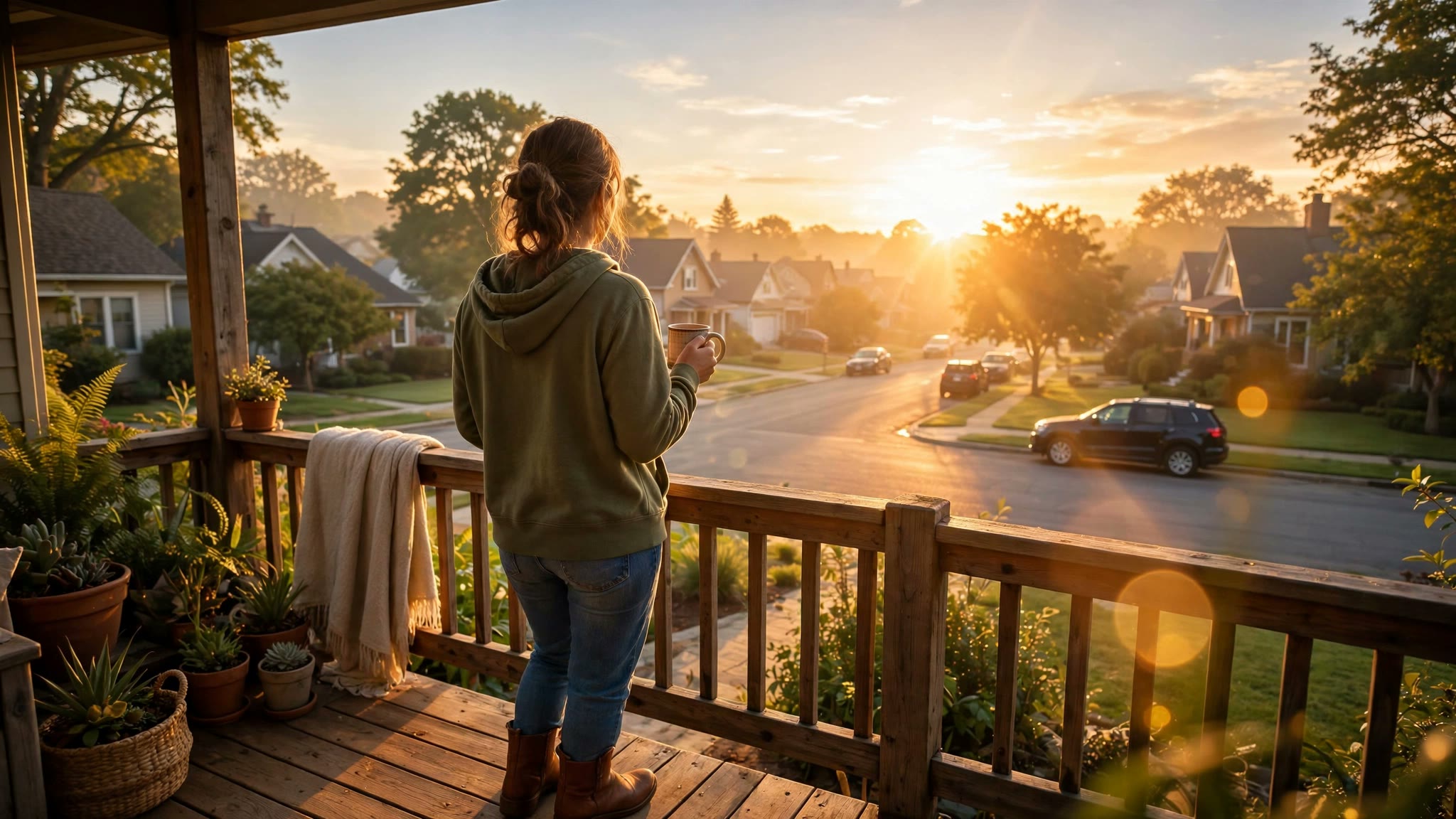
You walk out of a dim movie theater into a bright afternoon, and before you can even squint, you sneeze. Maybe twice. Maybe three times in a row. Then it is gone, as suddenly as it started.
If this sounds familiar, you are not imagining it, and you are not alone. Scientists estimate that 18 to 35 percent of people have the photic sneeze reflex, sometimes called Autosomal Dominant Compelling Helio-Ophthalmic Outburst syndrome, or ACHOO syndrome for short. It is a harmless genetic quirk, but it is also a genuine neurological crossed wire, and it can matter more than you might think, especially behind the wheel.
What is the photic sneeze reflex?
A sneeze is a protective reflex. When irritants like dust, pollen, or pepper hit the lining of your nose, nerves send a signal to the brainstem, which triggers a forceful burst of air to clear the airway. The whole thing is run by the trigeminal nerve, the large nerve that carries sensation from your face, eyes, and nose to the brain.
In people with the photic sneeze reflex, that wiring gets crossed. When bright light hits the eyes, the pupils constrict, and the brain sends a signal through the optic nerve to shrink the pupil. In photic sneezers, that signal appears to leak over to the nearby trigeminal nerve, which misreads it as irritation in the nose. The brain responds the only way it knows how: it orders a sneeze to clear an irritant that was never there.
Researchers sometimes call this a form of "parasympathetic generalization," a fancy way of saying that one automatic response spills over into another. The reflex is inherited in an autosomal dominant pattern, which means if one parent has it, each child has about a 50 percent chance of inheriting it. Families often share it without ever realizing it has a name.
Why bright light, and why the number varies
The trigger is not sunlight specifically. Any sudden increase in brightness can set it off: stepping out of a dark building, looking up at a bright sky, turning on a strong overhead light, or even glancing at a camera flash. The key word is sudden. A gradual increase in light, like the sun slowly rising, rarely triggers it. That is why the classic scenario is walking out of a dark theater, a parking garage, or a tunnel into daylight.
Most photic sneezers sneeze two or three times in a burst, though some report a single sneeze and others a run of ten or more. The number tends to be consistent for each person, which is another clue that the wiring is built in rather than random.
It also appears more common in people with lighter-colored eyes. It is more noticeable in people who already have sensitive nasal passages, such as those with seasonal allergies, though allergies themselves do not cause the reflex.
Is it the same as allergies?
No, and the difference matters. Allergy sneezing comes with a whole package: itchy eyes, a runny nose, congestion, and sneezing that can go on for hours while you are exposed to pollen, dust, or pet dander. Photic sneezing is brief and isolated. You sneeze a few times in bright light, your nose feels fine afterward, and antihistamines do nothing to stop it.
That said, the two can overlap. If you have hay fever and you step into bright spring sunshine, you might sneeze from both the light and the pollen at once. But if your sneezing stops within a minute of the light change and your nose is otherwise clear, the photic reflex is the likelier culprit.
When a light-triggered sneeze actually matters
For most people, the photic sneeze reflex is nothing more than a party trick. But there are a few situations where it deserves attention.
Driving. This is the big one. Exiting a tunnel, a parking garage, or a shaded road into bright sunlight can trigger a sneezing fit at exactly the moment you need your eyes open. A sneeze closes your eyes involuntarily for about a second. At 60 miles per hour, that is roughly 90 feet traveled effectively blind. If you know you are a photic sneezer, wear sunglasses before you exit a dark space rather than after, and keep both hands on the wheel when you feel a sneeze coming on.
Flying and military service. Pilots have reported photic sneezing when looking toward the sun during flight, and the reflex has been studied in aviation medicine for exactly this reason. If you fly small aircraft, mention it to your flight instructor or aviation medical examiner.
Eye exams and surgery. Bright examination lights and operating microscopes can trigger repeated sneezing during eye procedures. Ophthalmologists are aware of this, but telling your doctor in advance helps them plan around it, especially for procedures like cataract surgery or laser eye surgery.
Newborns. Babies sometimes sneeze in bright light too, and parents occasionally worry it is a cold. In most cases it is just the reflex, or the normal clearing of a tiny newborn nose. Persistent sneezing with a fever, poor feeding, or trouble breathing is a different story and worth a pediatrician visit.
Can you stop it?
There is no cure, and because the reflex is harmless, there is no real need for one. But photic sneezers have developed a few practical tricks:
- Wear sunglasses. Reducing the brightness of the light reaching your eyes is the simplest way to blunt the trigger. Put them on before stepping into the sun, not after the sneezing starts.
- Press on the bridge of your nose. Some people find that pressing a finger firmly against the philtrum, the groove between the nose and upper lip, or pinching the bridge of the nose can interrupt a sneeze burst. The evidence is anecdotal, but it costs nothing to try.
- Shade your eyes with a hat. A brimmed hat or a baseball cap reduces the sudden flood of light from above.
- Close one eye. Some people with the reflex find that keeping one eye closed when stepping into bright light prevents the sneeze, since the trigger seems to depend on both eyes receiving the light change.
Antihistamines, nasal sprays, and allergy medications will not help, because there is no histamine or allergen involved. If your sneezing is constant rather than light-triggered, or comes with congestion, itchy eyes, or a fever, that is a different problem, and your primary care doctor or an allergist can sort it out.
The bottom line
If bright light makes you sneeze, your brain is simply misrouting a signal between two nearby nerves. It is common, inherited, and harmless in itself. The only real risk is the split-second eye closure at the wrong moment, so sunglasses and a little awareness go a long way. Otherwise, consider it a small reminder that even a healthy nervous system has a few crossed wires, and that a sneeze in the sunshine is, for about one in three Americans, completely normal.
This article is general information, not medical advice. If sneezing is persistent, painful, or accompanied by other symptoms, see your primary care doctor.
Rao Sajid is the founder and editor of VitalDaily. He covers everyday health topics — nutrition, sleep, fitness and wellness — turning guidance from public-health sources like the CDC, NIH and FDA into plain, practical advice. More about Rao →
📚 Keep reading:

Skin Tags: Why You Get Them and When to Worry
Skin tags are small, harmless growths that appear on the neck, armpits, and eyelids. What causes them, when to worry, and how doctors remove them safely.

Holiday Heart Syndrome: When Drinking Triggers AFib
Holiday heart syndrome is an irregular heartbeat triggered by binge drinking, even with no heart disease. How it happens and how to lower your risk.

Food Poisoning: Signs, Causes, and What to Do Fast
Stomach cramps hours after a meal? Food poisoning sickens 48 million Americans a year. Learn the warning signs, the worst culprits, and when to get help.