Why Cold Sores Keep Coming Back — and How to Stop Them
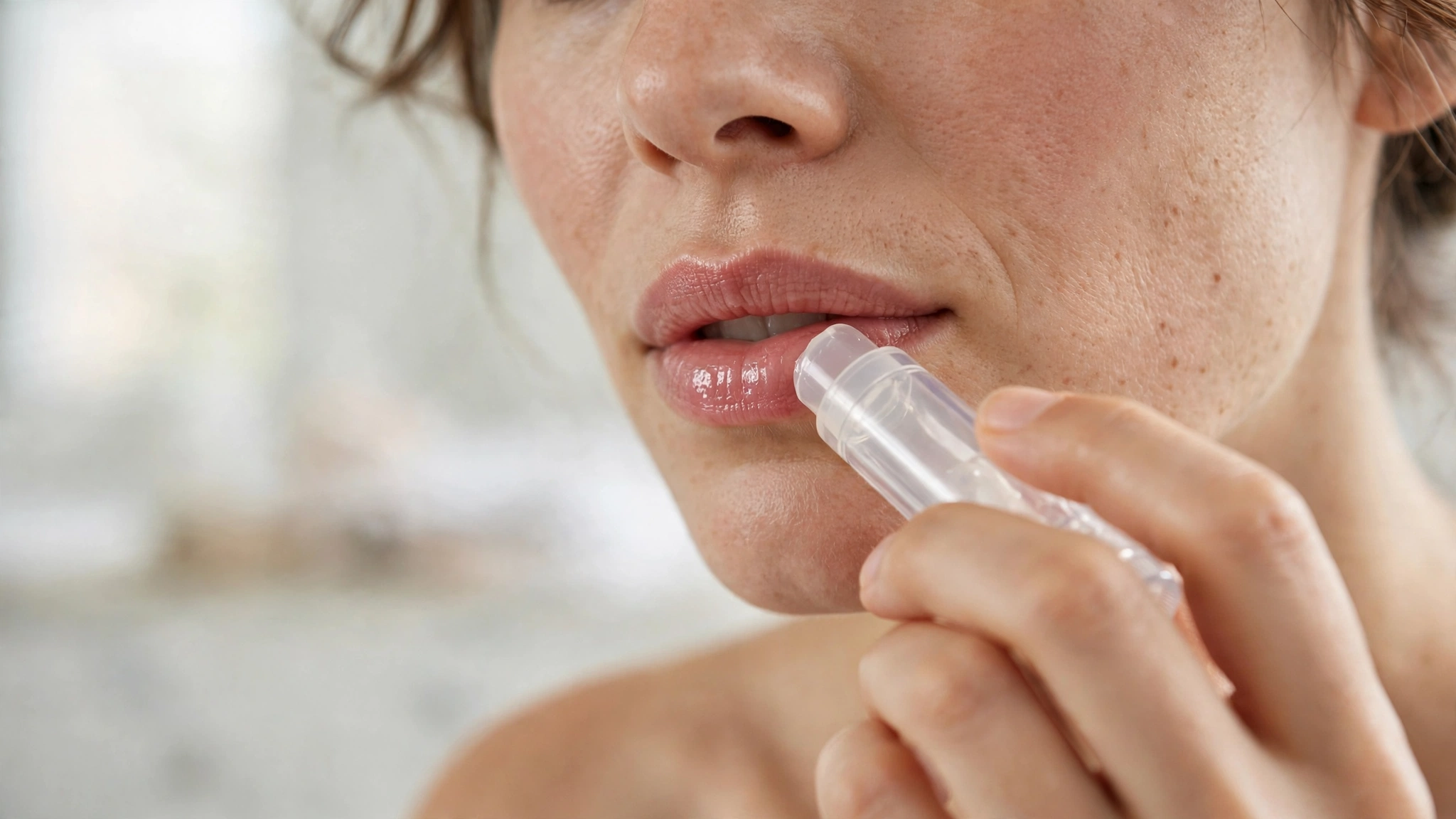
You know the feeling: a faint tingle at the corner of your mouth on a Tuesday morning, and your stomach drops. By Thursday, a cluster of blisters. By next week, a scab. And a few months later — it all happens again.
Cold sores are one of the most common — and most frustrating — recurring health problems in America. An estimated 50 to 80 percent of American adults carry herpes simplex virus type 1 (HSV-1), the virus behind most cold sores, according to Johns Hopkins Medicine, and CDC survey data put the figure at roughly half of Americans ages 14 to 49. Yet only about 20 to 40 percent of carriers ever get repeat outbreaks.
So why do some people get them again and again — and what actually shortens an outbreak once it starts?
What a cold sore really is
A cold sore (or fever blister) is an outbreak of HSV-1, a virus usually picked up in childhood through close contact — a kiss from a relative, a shared drink or lip balm.
After the first infection (which many people never notice), the virus retreats along the nerves and goes dormant in a bundle of nerve cells near the ear called the trigeminal ganglion. There it sits, silent, for life. A "cold sore" is what happens when the virus reactivates, travels back down the nerve to the lip, and starts replicating in the skin — which is why outbreaks tend to appear in the same spot every time.
Why they keep coming back
The virus reactivates in response to triggers — anything that stresses the body or immune system:
- Sunlight and UV exposure. UV light is one of the strongest documented triggers — a beach day, a ski trip, or a long afternoon drive can set one off, which is why daily SPF lip balm matters.
- Illness and fever. Colds, flu, and any fever can reactivate the virus. The name "fever blister" comes from this link.
- Stress and exhaustion. Emotional stress, poor sleep, and burnout suppress immune defenses just enough for the virus to slip through.
- Hormonal shifts. Some women notice outbreaks around their menstrual cycle.
- Lip trauma. Chapped, cracked lips, dental work, or aggressively picking at the skin around the mouth can all invite an outbreak — the virus exploits damaged skin.
Cold sores are contagious from the first tingle until the scab falls off — and the virus can also shed without any visible symptoms. That is how it keeps spreading: kissing, sharing utensils, razors, towels, or lip products during an outbreak are the main routes.
The five stages of an outbreak
A typical cold sore runs its course in 7 to 10 days, through predictable stages:
- Tingling (prodrome). Itching, burning, or tingling 6–48 hours before anything appears — the golden window, when treatment works best.
- Blistering. Small fluid-filled blisters cluster along the lip border, usually within a day.
- Weeping. The blisters burst, leaving shallow open sores. This is the most contagious — and most painful — stage.
- Scabbing. The sores dry out and crust over. It itches; do not pick.
- Healing. The scab flakes away, usually without scarring, in about a week to 10 days.
What actually shortens an outbreak
Home remedies abound online — toothpaste, tea tree oil, apple cider vinegar. Most have little evidence, and some just irritate the skin. Here is what research supports:
Docosanol 10% cream (Abreva). This is the only over-the-counter drug the FDA has approved specifically to shorten cold sore healing time. It works by blocking the virus from fusing with skin cells. The key: apply it at the very first tingle, five times a day. Started at the first tingle, it can shorten an outbreak by roughly a day. Started late, it does much less.
Prescription oral antivirals. Valacyclovir, acyclovir, and famciclovir — taken as pills — are the most effective option, shortening episodes by one to two days when started within 24–48 hours of symptoms. Many dermatologists prescribe a small supply to keep on hand so treatment can start at the first tingle.
Suppressive therapy for frequent outbreaks. Six or more outbreaks a year? Ask your doctor about daily low-dose antivirals — suppressive therapy cuts recurrence rates dramatically for many people.
What to do during an outbreak:
- Do not touch, squeeze, or pick the blisters — it spreads the virus and risks a bacterial infection.
- Wash your hands after touching the area.
- Avoid kissing and oral sex during an outbreak; the virus can spread to the genitals.
- Do not share cups, utensils, towels, razors, or lip products.
- Toss your toothbrush (or change the electric brush head) once the sore heals.
- A cold compress eases pain and swelling in the first day.
Lysine and other supplements? The evidence is thin — a few small trials suggest L-lysine might slightly reduce recurrence in some people, but the studies are small and inconsistent. Not harmful at typical doses, but not a proven treatment either.
How to prevent the next one
You cannot evict the virus, but you can starve it of its favorite triggers:
- Wear SPF lip balm every day. SPF 30 or higher, reapplied like sunscreen, is the single most underrated prevention step.
- Keep lips from cracking. Dry, split lips are an open door. Moisturize in winter and windy weather.
- Sleep, stress, illness: seven to nine hours of sleep, regular exercise, and treating fevers early all help keep the virus dormant.
- Do not share personal items — even when you feel fine, since silent shedding is real.
- Note your pattern. Outbreaks often follow the same trigger. If yours always follow a sunny weekend, the fix is obvious: sunscreen for your lips.
When to see a doctor
Most cold sores are a nuisance, not a danger. See a doctor if:
- A sore appears on or near your eye — ocular herpes can threaten vision and needs prompt treatment.
- An outbreak lasts longer than two weeks or keeps spreading.
- You get very frequent outbreaks (ask about suppressive therapy).
- You have a weakened immune system — from chemotherapy, organ transplant drugs, or HIV — since HSV can cause serious complications.
- A newborn or infant could be exposed. Neonatal herpes is rare but dangerous; never kiss a newborn if you have an active cold sore.
The bottom line
Cold sores return because the virus never leaves — it waits in a facial nerve for a trigger like sun, stress, or fever. You cannot cure it, but you can fight back: treat at the first tingle, protect your lips with SPF 30 balm daily, and steady your immune system with sleep and stress management. For most people, that turns a dreaded two-week ordeal into a minor blip — or stops the next one entirely.
This article is for informational purposes only and is not medical advice. If you have frequent or severe outbreaks, talk to your doctor or dermatologist.
Rao Sajid is the founder and editor of VitalDaily. He covers everyday health topics — nutrition, sleep, fitness and wellness — turning guidance from public-health sources like the CDC, NIH and FDA into plain, practical advice. More about Rao →
📚 Keep reading:
Why Is My Eye Twitching? Causes and How to Stop It
That annoying eyelid flutter is usually harmless — stress, caffeine, and too little sleep are the top triggers. Here's how to stop it, and the red flags that mean you should see a doctor.

Is Sparkling Water Bad for Your Teeth? What Dentists Say
Americans drink billions of gallons of sparkling water a year. But is all that fizz harming your enamel? Dentists and researchers weigh in on what the science actually shows.
Measles Is Back in America: What to Know Now
U.S. measles cases have nearly doubled 2025's 33-year high, with 4,410 infections and counting. Here is why it's surging, the warning signs, and what protects you.