Why Is My Eye Twitching? Causes and How to Stop It
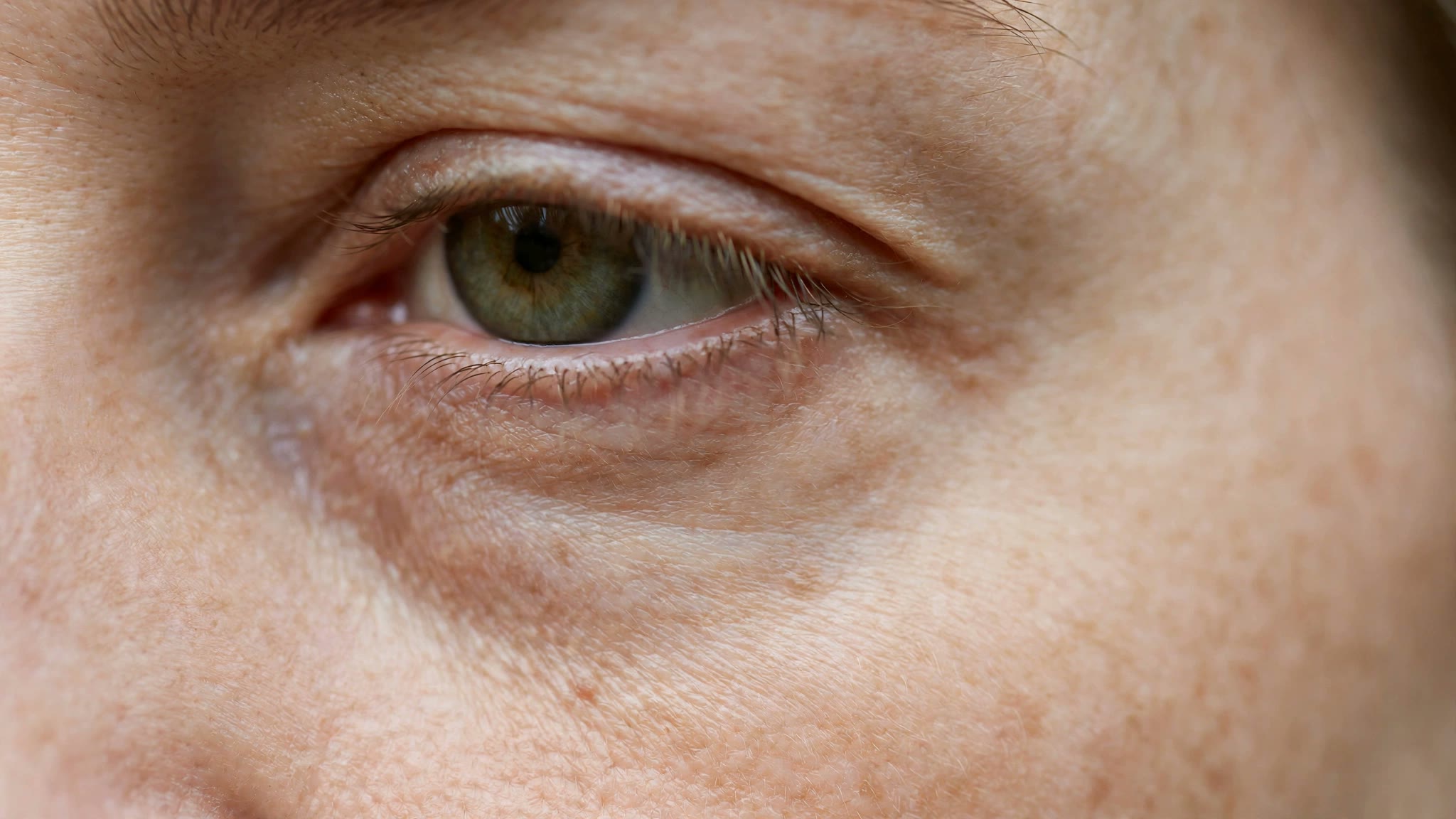
It starts as a faint flutter in your lower eyelid — barely noticeable, then impossible to ignore. You're in a meeting, mid-conversation, or staring at your phone, and your eye just... keeps twitching. Everyone says nobody can see it, but you're convinced the whole room can.
An eyelid twitch is one of those symptoms that feels alarming but is almost always harmless. Doctors call it myokymia (my-oh-KIM-ee-ah): an involuntary, repetitive spasm of the tiny muscles around the eye, most often in the lower lid. It can last minutes, hours, or on and off for days — then vanish as mysteriously as it arrived.
So what actually causes it, and how do you make it stop?
Your nervous system is running on fumes
The muscles in your eyelids are among the smallest and most finely tuned in your body — which also makes them among the most sensitive to overstimulation. When your nervous system is wound up from stress, under-rested, or over-caffeinated, these little muscles are often the first to misfire.
The big three triggers, according to ophthalmologists at Cleveland Clinic and Johns Hopkins, are:
1. Stress. Anxiety and tension crank up adrenaline and cortisol, which make muscles — including the orbicularis oculi muscle circling your eye — twitchier. An eye twitch during a brutal work week or a stressful life stretch is practically a cliché for a reason.
2. Not enough sleep. Even one or two short nights can do it. The CDC says about 1 in 3 American adults don't get the recommended 7+ hours of sleep, and sleep deprivation is one of the most common reasons people Google "eye twitching" at 2 a.m. Tired eye muscles are irritable eye muscles.
3. Too much caffeine. Coffee, energy drinks, and even that afternoon tea can overstimulate the nervous system. The FDA says up to 400 mg of caffeine a day (roughly four 8-ounce cups of brewed coffee) is generally fine for most adults — but if you're already stressed and underslept, your twitch threshold drops. Many people find the flutter disappears within a day or two of cutting back.
The other common triggers
Eye strain. Hours of staring at screens without breaks exhausts the focusing muscles around the eyes. The American Optometric Association estimates around 70% of U.S. adults report some symptoms of digital eye strain. Try the 20-20-20 rule: every 20 minutes, look at something 20 feet away for 20 seconds.
Dry eyes. Dryness irritates the eyelid muscles. It's common in winter (indoor heating dries the air), in air-conditioned offices, and among contact lens wearers and people over 50. Artificial tears — not redness-removing drops — can help.
Alcohol. It disrupts sleep quality and can dehydrate you, both of which make twitching more likely.
Rubbing your eyes. It temporarily feels good but irritates the lid muscles and can actually trigger or prolong a twitch. If allergies make you rub, antihistamine drops may break the cycle.
Certain medications. Some drugs list muscle twitching as a side effect — including certain allergy medications, anti-anxiety drugs, and stimulants prescribed for ADHD. If a twitch started right after a new prescription, mention it to your doctor.
How to stop an eye twitch
Most twitches resolve on their own within a few days to two weeks. To speed things up:
- Sleep 7 to 9 hours. This single step fixes more twitches than anything else.
- Cut the caffeine. Switch to half-caf or decaf after noon for a few days and see what happens.
- De-stress on purpose. A 20-minute walk, slow breathing, or stretching breaks the tension cycle your eyelid is reflecting.
- Rest your eyes. Follow the 20-20-20 rule, blink more often at the computer, and keep screens at arm's length.
- Use lubricating eye drops. "Artificial tears" ease dryness-related twitching. Avoid "redness relief" drops for daily use — they can cause rebound redness.
- Warm compress. A warm, damp washcloth over the closed eye for 5 to 10 minutes relaxes the muscle. Gentle massage helps too.
- Stop rubbing. Every rub restarts the irritation.
Magnesium supplements? You'll see them recommended online, but the evidence that magnesium deficiency causes eye twitches — or that supplements stop them — is thin. A balanced diet with leafy greens, nuts, and whole grains covers your needs; save your money unless your doctor says otherwise.
Myths worth dropping
- Left eye vs. right eye means something. In some cultures, a twitching left eye is bad luck and a twitching right eye is good fortune (or vice versa). Medically, it means nothing — the twitch hits whichever lid happens to misfire.
- It's a sign of a stroke or tumor. A simple eyelid twitch, on its own, is essentially never a sign of either. The conditions that cause serious twitching (below) come with additional, hard-to-miss symptoms.
- Someone can "cure" it with pressure tricks. Pressing on the lid may interrupt a spasm momentarily, but it doesn't address the cause.
When an eye twitch is NOT normal
Rarely, persistent twitching points to something more serious. See a doctor or eye specialist if:
- The twitching lasts more than two to three weeks.
- Your eyelid closes completely with each spasm, or both eyes twitch — this can be benign essential blepharospasm, a treatable neurological condition (botulinum toxin injections, the same Botox used cosmetically, are an FDA-approved treatment for it).
- The twitching spreads to other parts of your face — the cheek or mouth — which can indicate hemifacial spasm.
- Your eyelid droops (ptosis) along with the twitch.
- You have vision changes, eye pain, redness, swelling, or discharge alongside it.
- One side of your face feels weak or numb.
These are uncommon — the overwhelming majority of eyelid twitches are simple myokymia that resolves on its own. But the checklist above is worth knowing, because catching a persistent case early leads to better treatment.
The bottom line
An eye twitch is usually your body sending a small, annoying memo: you're stressed, underslept, over-caffeinated, or staring at a screen too long. Fix the big three — sleep, stress, caffeine — add some eye rest and artificial tears, and the flutter almost always fades within days. Only worry if it sticks around for weeks, spreads beyond the eyelid, or comes with drooping, vision changes, or pain — then get it checked.
This article is for informational purposes only and is not medical advice. If your twitching persists or comes with other symptoms, talk to your doctor or an eye specialist.
Rao Sajid is the founder and editor of VitalDaily. He covers everyday health topics — nutrition, sleep, fitness and wellness — turning guidance from public-health sources like the CDC, NIH and FDA into plain, practical advice. More about Rao →
📚 Keep reading:

Why Cold Sores Keep Coming Back — and How to Stop Them
Up to 80% of American adults carry the virus behind cold sores. Here's why outbreaks keep returning, which treatments actually shorten them, and how to prevent the next one.

Is Sparkling Water Bad for Your Teeth? What Dentists Say
Americans drink billions of gallons of sparkling water a year. But is all that fizz harming your enamel? Dentists and researchers weigh in on what the science actually shows.

Measles Is Back in America: What to Know Now
U.S. measles cases have nearly doubled 2025's 33-year high, with 4,410 infections and counting. Here is why it's surging, the warning signs, and what protects you.