Do You Really Need a Multivitamin? What Science Says

It's the most common supplement habit in America. Roughly one in three U.S. adults takes a multivitamin every day, and more than half of all adults use some kind of dietary supplement, according to CDC survey data. Collectively, Americans spend more than $30 billion a year on vitamins and supplements — much of it on a single small pill that promises "complete daily nutrition."
The marketing is confident. The science, it turns out, is more complicated. Here's what the largest, best-run trials actually found — and who might genuinely benefit.
What a multivitamin is (and isn't)
A standard multivitamin-multimineral (MVM) is a once-daily pill containing a dozen or more vitamins and minerals at doses near — but not far above — the Daily Value printed on the label. It's designed to fill nutritional gaps, not to deliver drug-level effects.
One important distinction: the FDA regulates supplements very differently from prescription drugs. Manufacturers don't have to prove a supplement is safe and effective before selling it, and the FDA can only act against a product after it reaches the market and shows evidence of harm. That's why the most reliable evidence comes from large, independent randomized trials rather than product claims.
The biggest trial results, one by one
Heart disease: no meaningful protection
The Physicians' Health Study II, published in JAMA, followed 14,641 male U.S. physicians for more than a decade. Half took a daily multivitamin; half took a placebo. The result: no significant reduction in major cardiovascular events — heart attacks, strokes, or cardiovascular death. A similar trial in male smokers, the SU.VI.MAX follow-up and other large analyses, landed in the same place. A daily multi won't replace exercise, blood pressure control, or quitting smoking.
Cancer: a small, uncertain signal
The same Physicians' Health Study II did find an 8% reduction in total cancer among the multivitamin group — a statistically significant but modest effect. However, that was one trial in an unusually well-nourished group of male doctors, and later reviews couldn't firmly reproduce the benefit. In 2022, the U.S. Preventive Services Task Force reviewed all the evidence and concluded there is insufficient evidence to recommend for or against multivitamins for preventing cardiovascular disease or cancer in the general population.
Memory: a surprising bright spot
One finding has held up better than expected. The COSMOS trial, run by Harvard-affiliated researchers and published in 2022, found that a daily multivitamin modestly improved memory and global cognition in adults aged 60 and older over three years — roughly equivalent to delaying normal age-related memory decline by about two years. The effect was small, but in the world of multivitamin research, it's the most promising result in years.
Everyday energy, immunity, colds: little to show
For the vague reasons many people take multis — "more energy," fewer colds, general protection — large trials have found essentially nothing. If your diet is already adequate, adding a multi on top doesn't create extra energy or immunity. Your body simply uses what it needs and excretes the rest (your expensive urine theory, as critics like to call it).
Who might actually need one
While the average well-fed adult gets little measurable benefit, certain groups genuinely have gaps:
- Women who could become pregnant. The CDC recommends 400 micrograms of folic acid daily for every woman of childbearing age to prevent serious birth defects of the brain and spine — ideally starting at least a month before conception. Diet alone often falls short.
- Adults over 50. Absorption of vitamin B12 from food declines with age, and many older adults also run low on vitamin D and calcium. A standard multi formulated for 50+ adults addresses all three.
- Vegans and strict vegetarians. B12 comes almost entirely from animal products; iron and zinc can also run low. A multi or targeted B12 supplement is close to essential.
- People with restricted diets or GI conditions. Bariatric surgery, celiac disease, Crohn's, and chronic alcohol use can all impair nutrient absorption.
- Pregnant and breastfeeding women. Prenatal vitamins (a specialized form of multivitamin) are standard medical advice — iron and folic acid needs rise sharply in pregnancy.
Notice the pattern: the case for a multi rests on an actual gap — age, diet, pregnancy, or a medical condition — not on the idea that extra vitamins add extra health.
The risks most people ignore
Multivitamins are "just vitamins," but megadose versions are a different story:
- Vitamin A toxicity. Fat-soluble vitamins (A, D, E, K) accumulate in the body. Very high vitamin A can damage the liver and bones — a real risk with some "high potency" formulas.
- Beta-carotene and smokers. Two large trials found that high-dose beta-carotene increased lung cancer risk in smokers and asbestos-exposed workers. If you smoke, check the label.
- Vitamin E and prostate cancer. The SELECT trial found vitamin E alone (at 400 IU/day) increased prostate cancer risk in men by 17%.
- Iron overload. Men and postmenopausal women rarely need extra iron, and too much can damage organs. Many men's and 50+ formulas rightly leave it out.
- Quality varies. Because premarket approval isn't required, actual contents can differ from the label. Independent seals like USP Verified or NSF Certified are the best shortcut to a product that's been tested for what's actually inside.
A practical way to decide
- Start with food, honestly. Most Americans get enough of most nutrients from food. The common shortfalls are vitamin D, calcium, potassium, and fiber — and a multi barely touches fiber and potassium anyway.
- Check your group. Pregnant or could become pregnant? Over 50? Vegan? GI condition? If yes, the benefit case is real — talk to your doctor.
- If you take one, keep it boring. A standard daily multi near 100% of the Daily Value beats a "mega" formula every time. More is not better.
- Don't skip the basics that matter more. A multi won't offset an all-fast-food diet, zero exercise, or smoking. The Physicians' Health Study doctors were healthy mostly because of how they lived, not what they swallowed.
- Get tested when something's off. Persistent fatigue, numbness, or hair changes deserve a blood test — guessing with supplements can mask a B12 deficiency or delay a real diagnosis.
The bottom line
The multivitamin is neither the miracle the ads promise nor the fraud some critics claim. For most healthy adults eating a reasonably balanced diet, the biggest trials show little measurable benefit — though the small memory benefit seen in older adults is worth watching. For women of childbearing age, older adults, vegans, and people with absorption problems, the case is much stronger.
So the honest answer to the question on the bottle: maybe — it depends on you. The best multivitamin decision isn't made in the supplement aisle. It's made by looking at your age, your diet, and your health conditions, preferably with your doctor's input. And whatever you decide, no pill earns you a pass on vegetables.
Rao Sajid is the founder and editor of VitalDaily. He covers everyday health topics — nutrition, sleep, fitness and wellness — turning guidance from public-health sources like the CDC, NIH and FDA into plain, practical advice. More about Rao →
📚 Keep reading:

Is Cracking Your Knuckles Actually Bad for You?
Your parents swore cracking knuckles causes arthritis. One doctor cracked only one hand for 50 years to prove them wrong — and the science backs him up. Here's the truth.

Donating Blood: The Health Perks You Didn't Expect
One blood donation can save up to three lives — and it quietly hands you a free health check, lower iron buildup, and a calmer heart. Here's what the research says.
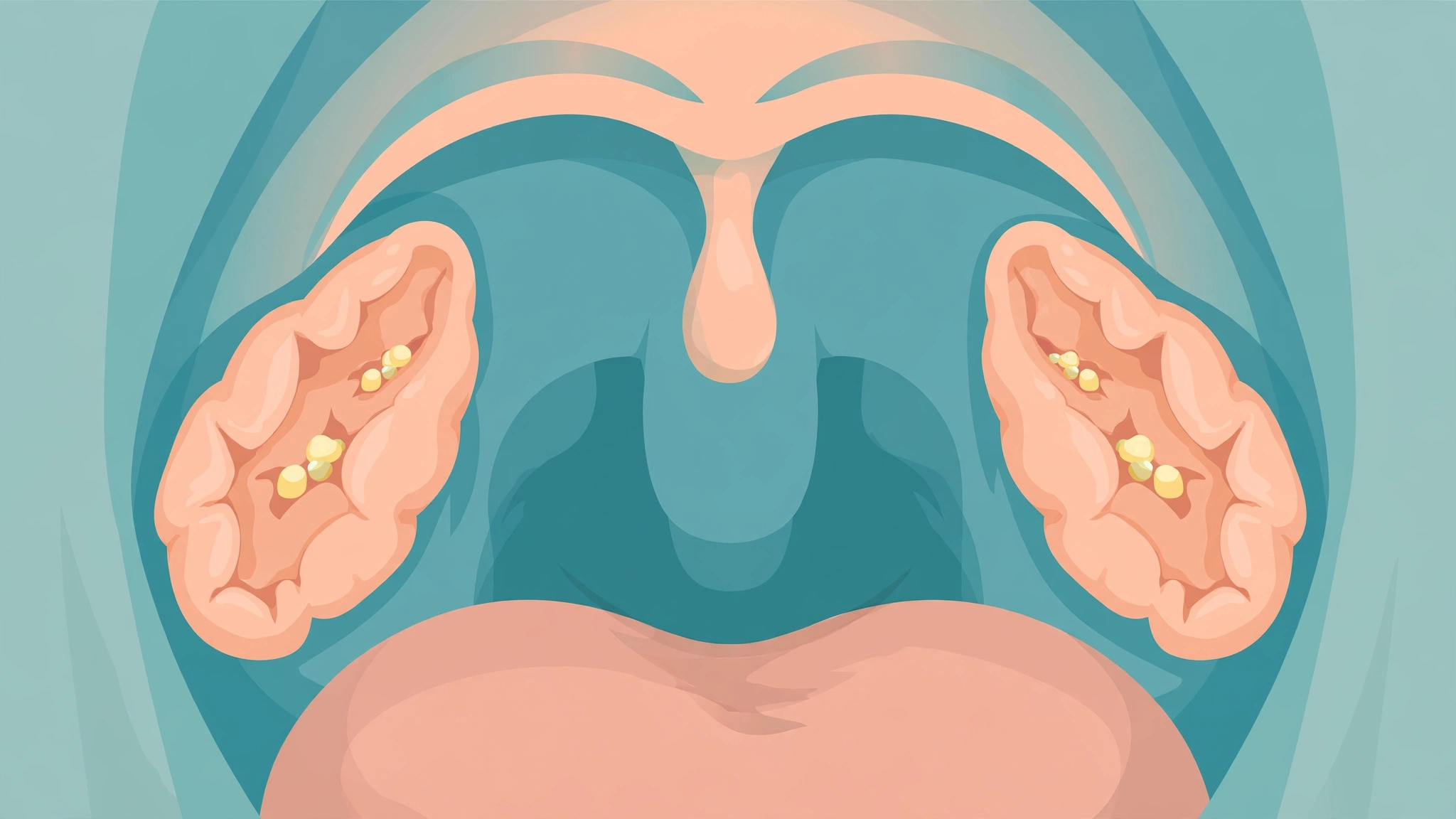
Tonsil Stones: The Hidden Cause of Stubborn Bad Breath
You brush, floss, and gargle — yet your breath still smells. Tiny white pebbles hiding in your tonsils could be why. Here's what they are and how to get rid of them.