Fibromyalgia: Causes, Symptoms, and What Helps
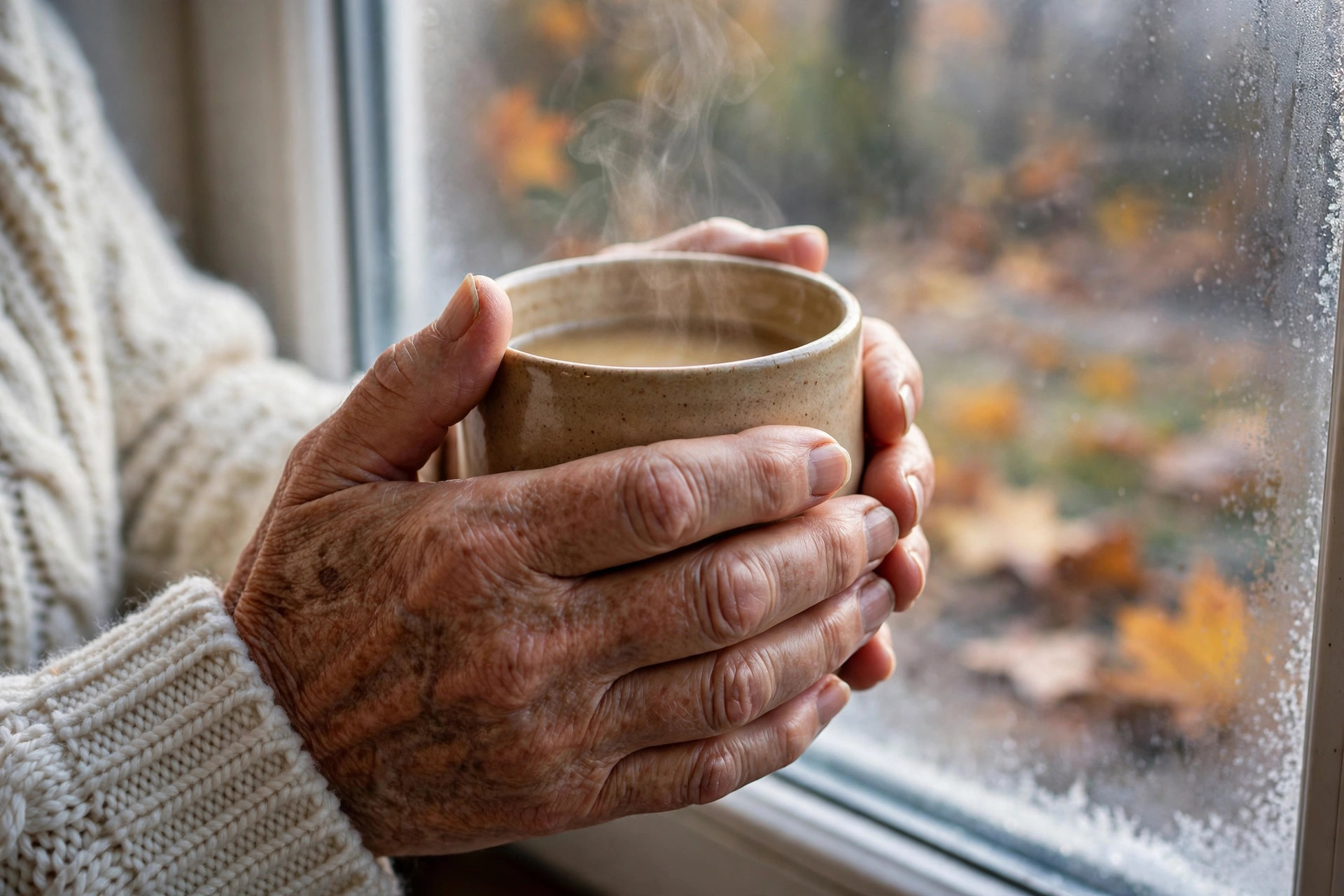
You ache everywhere, all the time. Your muscles feel bruised even though nothing hit them. You're exhausted after eight hours of sleep, your mind feels wrapped in cotton, and your doctor's blood work keeps coming back "normal." For roughly 4 million American adults — about 2% of the U.S. adult population, according to the CDC — this is fibromyalgia: one of the most misunderstood chronic conditions in medicine.
It's not in your head. It's not laziness, and it's not "just stress." Research now points to a malfunction in how the brain and spinal cord process pain signals — a real, measurable disorder that just happens to leave no mark on an X-ray. Here's what science actually knows, how it's diagnosed, and which treatments genuinely help.
What fibromyalgia is (and isn't)
Fibromyalgia is a chronic disorder defined by widespread musculoskeletal pain lasting at least three months, accompanied by fatigue, sleep that never feels refreshing, and cognitive trouble patients call "fibro fog." The American College of Rheumatology classifies it as a central sensitization syndrome: the volume knob on pain processing is turned up, so normal signals from muscles and soft tissues get amplified into pain.
Crucially, there is no joint damage, no inflammation in the painful areas, and no blood marker that proves it. That's part of why diagnosis takes an average of about two years — nearly half of patients report a diagnostic delay of two years or more, bouncing between doctors while their symptoms get worse.
Who gets it
Fibromyalgia can affect anyone, but the odds are not equal. The CDC reports it is about twice as common in women as in men, and roughly 80% of diagnosed patients are women. Onset typically falls between ages 30 and 50. Risk climbs with other conditions too: about 80% of patients have at least one comorbidity, and roughly half have major depression or an anxiety disorder alongside their fibromyalgia — whether as a cause, a consequence, or both.
The core symptoms
Widespread pain is the defining feature, but it rarely travels alone. People with fibromyalgia commonly report:
- Widespread, dull aching pain in muscles, joints, and soft tissues on both sides of the body, above and below the waist. Patients describe it as a constant flu-like ache, burning, or throbbing. About 90% report muscle pain.
- Fatigue that sleep doesn't fix. Roughly three-quarters of patients report sleep disturbances — trouble falling asleep, waking unrefreshed. The fatigue is the symptom most patients say destroys their quality of life.
- Cognitive problems ("fibro fog"). Difficulty concentrating, memory lapses, and trouble finding words. Brain imaging studies show altered activity in pain-processing and attention networks.
- Heightened sensitivity to touch, bright light, loud sounds, and strong smells.
- Digestive and pelvic issues, including irritable bowel syndrome and bladder pain, which occur at far higher rates than in the general population.
People with fibromyalgia report moderate to severe pain on nearly three-quarters of days. The impact is heavy: patients average about 11 outpatient visits a year and lose roughly 40% of their work productivity.
How it's diagnosed today
There is no blood test or scan for fibromyalgia. For decades, doctors pressed 18 "tender points" on the body — a system now retired because pain fluctuates so much that a patient could qualify one month and fall short the next.
The 2016 revised criteria, still in use today, work differently. A diagnosis generally requires:
- Widespread pain in at least four of five body regions (left and right upper, left and right lower, plus the axial/spine region) lasting three months or longer.
- A symptom-severity score combining fatigue, waking unrefreshed, and cognitive symptoms with other somatic complaints.
- Ruling out other causes. This is the hard part. Hypothyroidism, rheumatoid arthritis, lupus, sleep apnea, vitamin B12 deficiency, and polymyalgia rheumatica can all mimic fibromyalgia — which is why a good workup includes thyroid panels, inflammatory markers, and often a sleep evaluation.
If your doctor dismisses fibromyalgia without this workup, get a second opinion — ideally from a rheumatologist. About half of patients never see one, and most are managed in primary care where the condition is under-recognized.
What actually helps
There is no cure, but effective management exists — and the best approach is almost always a combination, not a single pill.
FDA-approved medications
Three drugs carry FDA approval for fibromyalgia: duloxetine and milnacipran (both SNRIs that raise serotonin and norepinephrine, calming overactive pain signaling) and pregabalin (an anticonvulsant that quiets hyperexcited nerves). Each helps a meaningful minority of patients — pregabalin and the SNRIs typically cut pain by 30% or more in roughly 1 in 3 to 1 in 5 users.
In 2026, a new option reached pharmacies: sublingual cyclobenzaprine (Tonmya) — the first FDA-approved fibromyalgia treatment in more than 15 years. For patients whose nights are the worst part of the condition, that's a significant development.
Opioids, by contrast, are generally discouraged: about a quarter of patients fill an opioid prescription, but guidelines are clear that they offer little benefit for fibromyalgia and carry real addiction risk.
The non-drug treatments that move the needle most
Guidelines from the American College of Rheumatology and the NIH put exercise, behavioral therapy, and sleep care at the foundation — and the evidence backs them up:
- Graded, gentle exercise. Walking, warm-water exercise, tai chi, and yoga are the best-studied interventions. Start embarrassingly small — five to ten minutes a day — and increase slowly. A 24-week tai chi program has shown pain and function improvements rivaling aerobic exercise, with less flare-up risk.
- Cognitive behavioral therapy (CBT). Around 30% of patients use CBT. It doesn't make the pain imaginary; it retrains catastrophic thought patterns that amplify suffering, and trials show it reduces pain interference and improves function.
- Sleep hygiene as treatment, not an afterthought. Consistent wake times, a cool dark bedroom, no screens in the last hour, and treating coexisting sleep apnea can meaningfully reduce next-day pain. In fibromyalgia, poor sleep and pain feed each other in a vicious loop.
- Heat therapy and massage. Warm baths, heating pads, and gentle myofascial work ease muscle tension, though effects are short-term. Many patients find warm-water exercise pools the most tolerable form of movement.
- Stress reduction. Meditation, paced breathing, and pacing activities through the day help manage the stress–pain connection without requiring medication.
About three-quarters of patients also try complementary approaches like acupuncture or magnesium supplements. Evidence there is mixed — try them as additions to, never replacements for, proven care.
When to call your doctor
Fibromyalgia is managed, not cured — but any new symptom deserves attention rather than being folded into "it's just the fibro." Call promptly for chest pain, shortness of breath, sudden weakness or numbness, unexplained weight loss, fever with pain flare, or thoughts of self-harm. Fibromyalgia raises the risk of depression significantly, and the National Suicide Prevention Lifeline is 988.
The hopeful part of this story: after decades of dismissal, fibromyalgia is now firmly in mainstream medicine — a recognized disorder with real mechanisms, real criteria, and, as of this year, a new FDA-approved therapy. If you've been suffering in silence with widespread pain and exhaustion, the right time to get evaluated is now.
Rao Sajid is the founder and editor of VitalDaily. He covers everyday health topics — nutrition, sleep, fitness and wellness — turning guidance from public-health sources like the CDC, NIH and FDA into plain, practical advice. More about Rao →
📚 Keep reading:

Do You Really Need a Multivitamin? What Science Says
Roughly one in three Americans swallows a multivitamin every day, spending billions a year. But what do the biggest clinical trials actually show? The answer is more nuanced than the ads.

Protein Powder Lead Alert: What the 2025 Tests Found
Consumer Reports tested 23 protein powders for lead, cadmium, and arsenic. Over two-thirds exceeded its lead safety benchmark. Here is what the tests found.
Is Cracking Your Knuckles Actually Bad for You?
Your parents swore cracking knuckles causes arthritis. One doctor cracked only one hand for 50 years to prove them wrong — and the science backs him up. Here's the truth.