Why Your Legs Cramp at Night (And How to Stop Them)
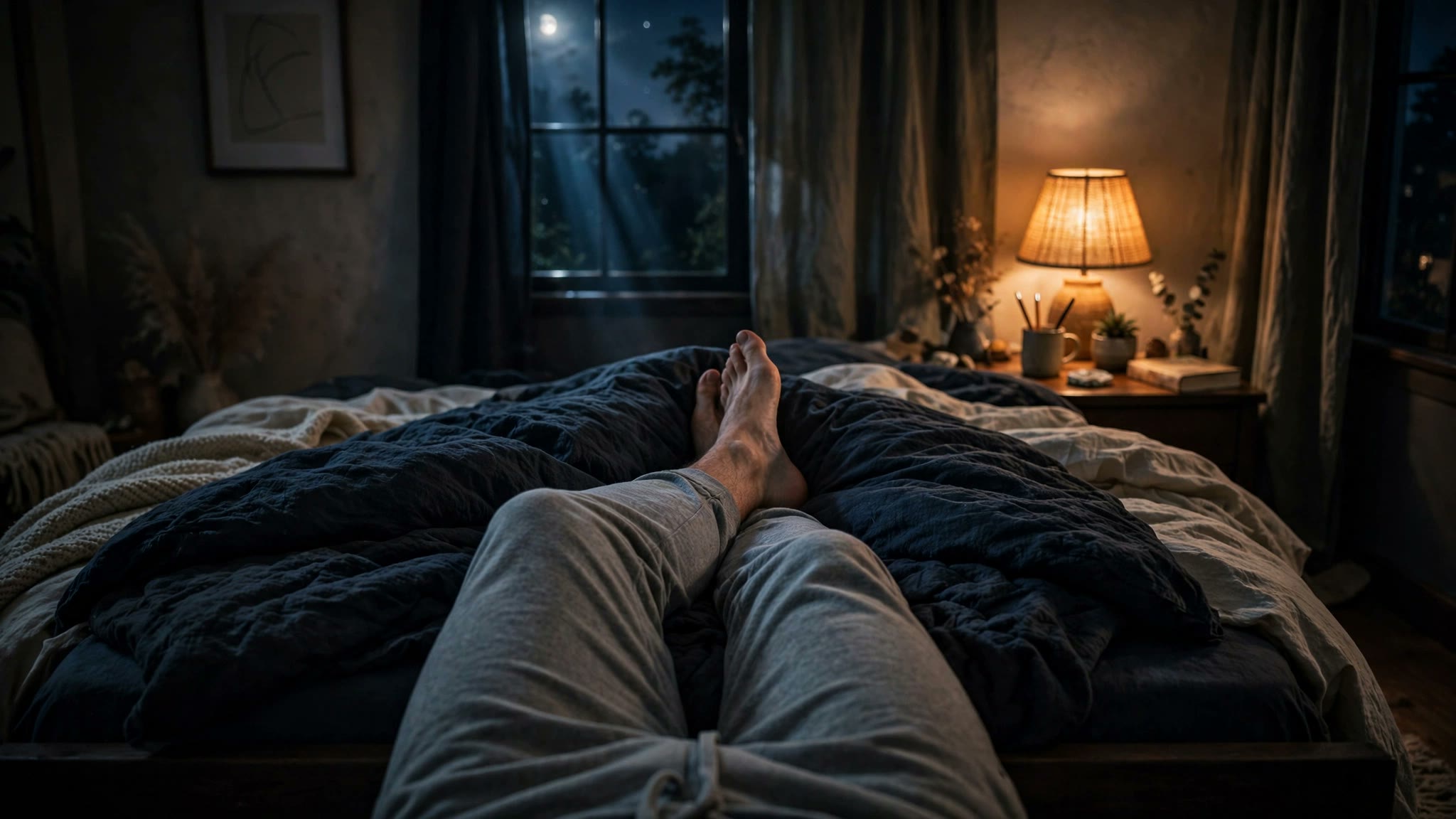
You are deep asleep when it hits — a sudden, searing knot in your calf that feels like the muscle is being wrung out like a wet towel. You sit bolt upright, grab your leg, and limp around the bedroom until it lets go. By the time you fall back asleep, your calf aches as if you ran a 5K.
That is a nocturnal leg cramp, and if you have had one, you are far from alone. Research estimates that up to 60 percent of adults experience nighttime leg cramps at some point, and the odds climb with age: roughly one in three adults over 60 gets them at least weekly. Most are harmless. But understanding why they strike — and what actually stops them — can turn a recurring midnight ambush into an occasional nuisance.
What a "charley horse" really is
A nocturnal leg cramp is an involuntary, sustained contraction of one or more leg muscles, usually the gastrocnemius (calf), but sometimes the foot or thigh. The muscle fires hard and stays fired — typically for a few seconds to a few minutes — and then leaves behind a soreness that can linger into the next day.
Scientists still debate the exact trigger, but the leading explanation is a glitch in how your nervous system keeps muscles from over-contracting. Muscles have built-in sensors called muscle spindles and Golgi tendon organs that tell your brain when to contract and when to back off. At night, after a day of use, that feedback loop can misfire — especially if the muscle is shortened (think: sleeping with your toes pointed) or fatigued. The result is a runaway contraction your brain did not order.
Why they love to strike at night
Nighttime is the perfect setup for a cramp for several reasons:
- Shortened muscles. When you sleep on your back or stomach with your toes pointed (plantarflexed), your calf sits in a shortened position for hours. Shortened muscles cramp more easily than lengthened ones.
- A day's worth of fatigue. Long hours on your feet, a hard workout, or — equally — long hours sitting all leave muscles primed. Sitting all day followed by a burst of evening activity is a classic cramp recipe.
- Fluid and electrolyte shifts. Dehydration and low levels of potassium, magnesium, or calcium can make muscles twitchier. You may not be clinically deficient — even mild, suboptimal levels are linked to cramping.
- Medications. Diuretics (water pills), some statins, and certain asthma and blood pressure drugs are known cramp promoters because they alter fluid balance or muscle excitability.
- Pregnancy. Up to half of pregnant women develop nocturnal leg cramps, usually in the second and third trimesters, when circulation and calcium demand are both in flux.
Age matters too: tendons naturally shorten and muscle bulk declines over the decades, so the calf's margin for error shrinks with every decade after 50.
How to stop a cramp the second it hits
When you are mid-cramp, you want the fastest off-switch, not a lecture. Try these in order:
- Stretch against it. The most reliable move: straighten your leg and pull your toes up toward your shin (dorsiflexion). Hold for 15–30 seconds. This force-lengthens the calf and signals the nervous system to release. You can do it in bed by hooking a towel around the ball of your foot and pulling gently.
- Stand and put weight on it. If the stretch is not enough, get up and stand flat on the affected foot. Body weight passively stretches the calf and often ends the cramp within a minute.
- Apply heat. A warm towel or heating pad on the knotted muscle helps it relax and eases the soreness afterward. Skip the ice — cold tightens muscle tissue.
- Gentle massage. Knead the calf with your thumbs, working from the ankle upward. It boosts blood flow and gives your brain a competing sensation to process.
What does not help much: pounding water during the cramp, or hopping on one foot while shouting — hydration prevents future cramps but does little for the one already firing.
How to prevent them: a nightly routine that works
Cramps are rarely random — they respond to a few boring, consistent habits:
- Stretch your calves before bed. Stand facing a wall, one leg back with the heel pressed down, and lean in until you feel a deep calf stretch. Hold 30 seconds per leg, three rounds. This single habit has the strongest evidence for reducing cramp frequency.
- Stay hydrated — but smartly. Drink water steadily through the day, not a gallon right before bed (hello, 3 AM bathroom trips). On sweaty or heavy-exercise days, add an electrolyte drink or a potassium-rich snack like a banana.
- Move during the day. If you sit at a desk, stand and walk every hour. If you are on your feet all day, sit and elevate your legs in the evening. Both extremes cause cramps.
- Loosen your bedding. Heavy blankets that push your toes into a pointed position can shorten the calf all night. A looser top sheet — or sleeping with feet just past the sheet's edge — keeps the calf in a neutral position.
- Check your meds. If cramps started shortly after a new prescription, ask your doctor or pharmacist whether muscle cramps are a known side effect. Never stop a medication on your own.
A note on magnesium supplements: they are the internet's favorite cramp cure, but large trials show only modest benefit, mostly in pregnant women. Food sources — leafy greens, nuts, beans, whole grains — are the safer bet unless your doctor finds an actual deficiency.
When a cramp is not just a cramp
Occasional nighttime cramps are a normal, if annoying, part of life. But talk to your doctor if you notice any of these:
- Cramps that are frequent, severe, or do not ease with stretching
- Leg swelling, redness, or warmth alongside the cramps — possible signs of a blood clot or vein issue
- Skin color changes, sores, or cold feet — could point to circulation problems like peripheral artery disease
- Muscle weakness or cramps that spread beyond the legs
- Cramps that started right after beginning a new medication
These patterns can signal conditions such as peripheral artery disease, lumbar spinal stenosis, or certain neurological disorders — all treatable, but only if they are identified.
The bottom line
Nighttime leg cramps are your muscles misfiring after a long day — usually triggered by a shortened calf position, fatigue, dehydration, or medications. Stretch the calf before bed, hydrate steadily, and keep moving during the day, and most people see the frequency drop within a few weeks.
And the next time one strikes at 2 AM, skip the panic: toes toward your shin, heel down, hold — and your midnight charley horse will surrender faster than you expect.
📚 Keep reading:

Migraine vs. Headache: How to Tell the Difference
Throbbing pain, light sensitivity, nausea — or just a tight band around your skull? Here is how neurologists tell migraines apart from ordinary headaches, and what actually helps.
Why You Grind Your Teeth at Night — and How to Stop It
Up to 1 in 3 Americans grind their teeth at night — often without knowing it. Here is how to spot the damage, what causes bruxism, and the fixes that actually work.
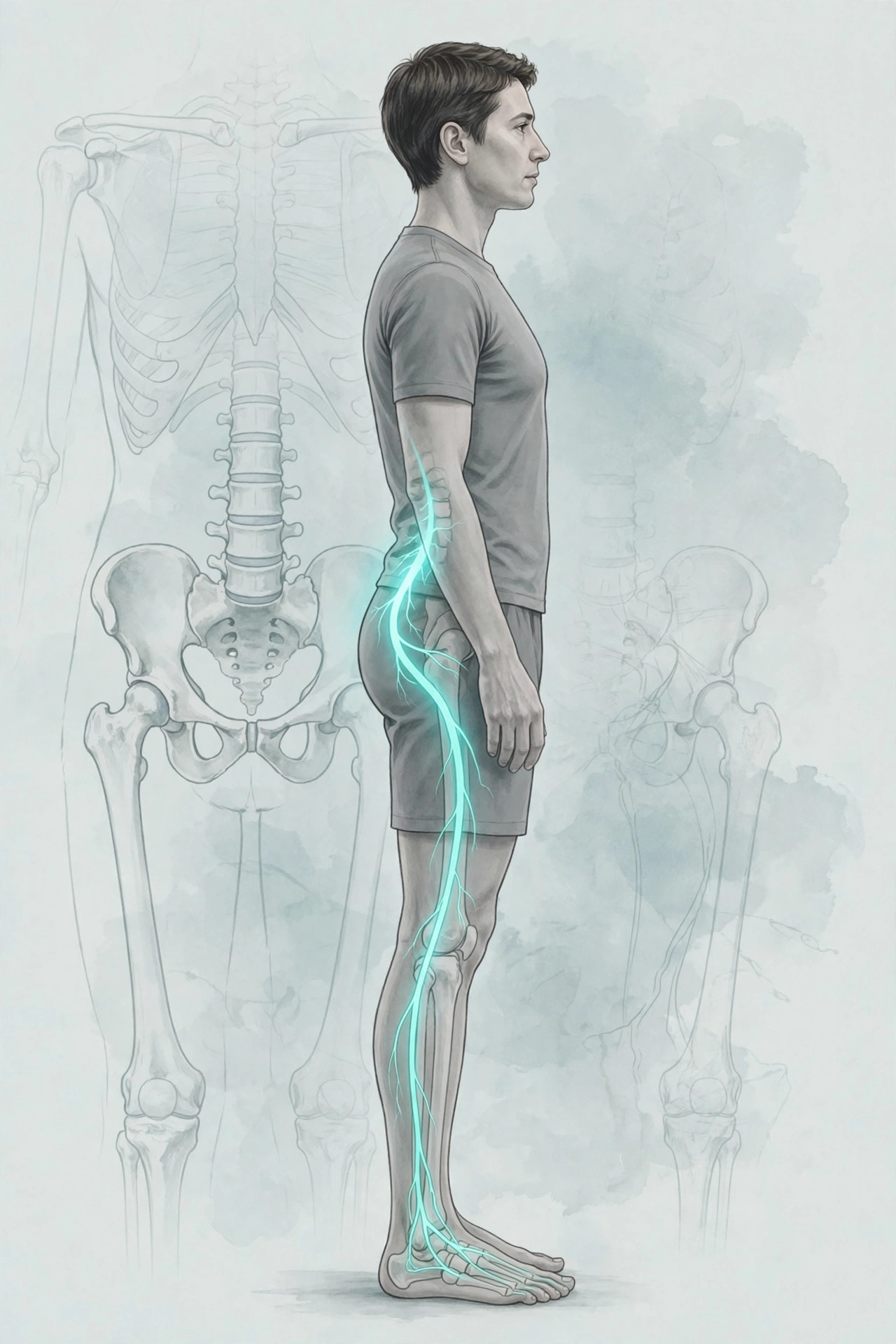
Sciatica: Why Your Leg Hurts and What Really Helps
Up to 40% of American adults get sciatica at some point. Here is what is actually pinching your nerve, which fixes work, and the red flags you should never ignore.