The Sauna Effect: What Heat Does for Your Heart
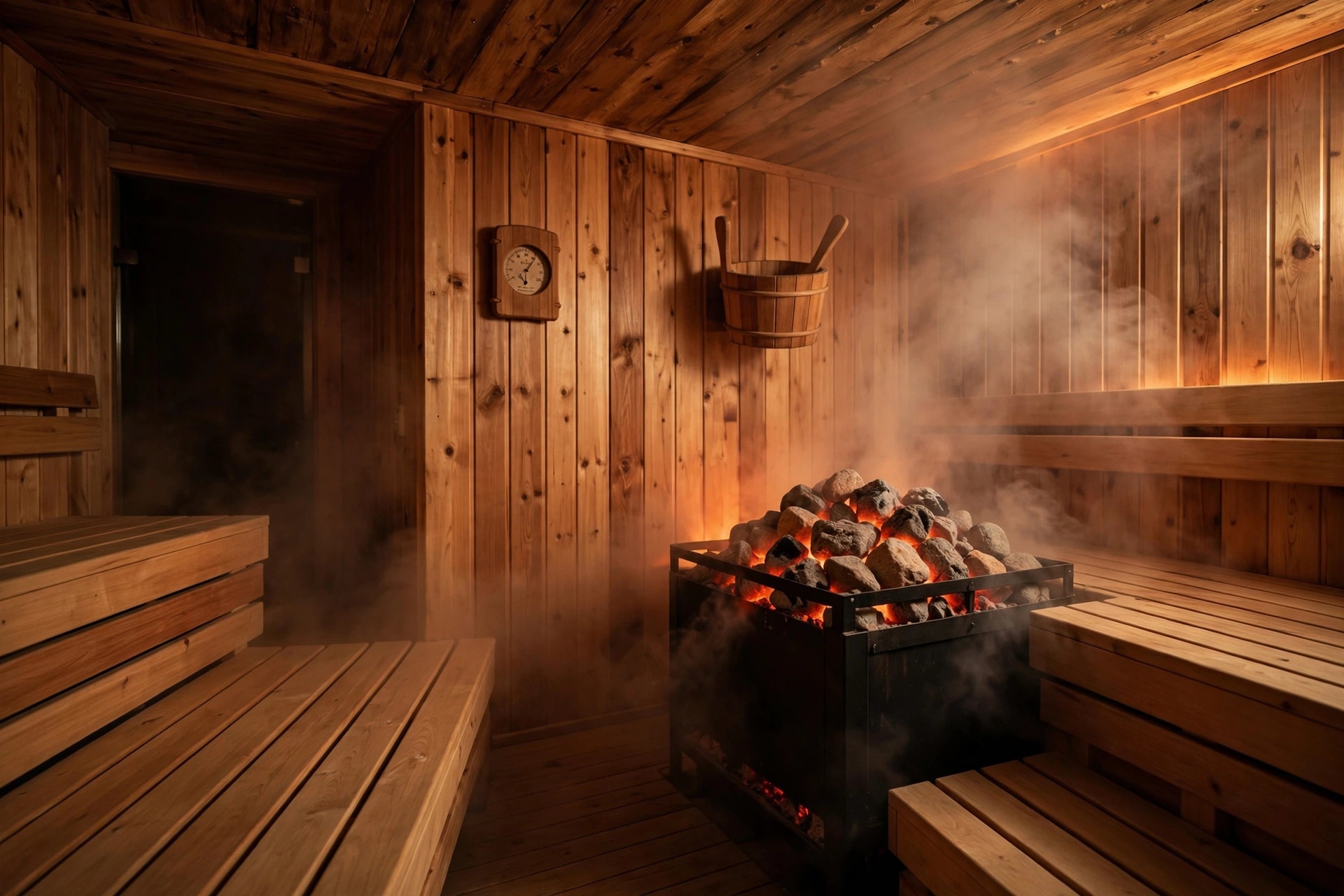
The sauna used to be a Finnish curiosity or a luxury gym amenity. Now it's one of the fastest-growing wellness trends in the United States — and this time, the hype comes with an unusually strong stack of research behind it.
A series of long-running Finnish studies has found that people who use saunas frequently have strikingly lower rates of fatal heart disease, high blood pressure, and even dementia. Cardiologists are paying attention, and gym chains from coast to coast are racing to install new sauna suites. Here's what the science actually shows, where its limits are, and how to try heat bathing without hurting yourself.
The Finnish evidence
The most-cited research comes from the Kuopio Ischaemic Heart Disease Risk Factor Study, which followed more than 2,300 middle-aged Finnish men for over two decades. When researchers published the results in JAMA Internal Medicine in 2015, the numbers got the medical world's attention:
- Men who took 4 to 7 sauna sessions a week had about a 63% lower risk of sudden cardiac death than those who went once a week.
- Their risk of dying from cardiovascular disease was roughly 50% lower.
- Risk of fatal coronary heart disease was about 48% lower.
A follow-up analysis from the same cohort, published in Age and Ageing in 2017, found that men in the 4-to-7-sessions group had a 66% lower risk of developing dementia and a 65% lower risk of Alzheimer's disease than the once-a-week group.
The effect held even after adjusting for age, physical activity, body mass, smoking, alcohol, cholesterol, and pre-existing heart conditions. Men who combined frequent sauna use with good cardiovascular fitness saw the largest benefits of all.
Heart disease remains America's number one killer — the CDC estimates it accounts for roughly 1 in 5 deaths in the United States — so findings this large from a study this long are hard to ignore.
What heat actually does to your body
A 15-to-20-minute session in a hot sauna (traditional Finnish saunas run about 170–195°F) pushes your physiology in ways that look surprisingly like moderate exercise:
- Heart rate climbs. Your pulse can reach 100 to 150 beats per minute — similar to a brisk walk or an easy jog — as your body works to cool itself.
- Blood vessels widen. Heat dilates blood vessels and increases blood flow, which improves circulation and vascular function.
- Blood pressure drops. Regular sauna users in the Finnish studies developed high blood pressure at lower rates; the American Heart Association notes that nearly half of U.S. adults have hypertension, making anything that eases it worth studying.
- Stress hormones fall. Heat exposure triggers the release of endorphins and is associated with lower cortisol, which is one reason a sauna session leaves you feeling deeply relaxed.
Researchers also point to heat shock proteins — protective molecules your body produces under heat stress that appear to help repair damaged proteins and reduce inflammation. It's early science, but it may be one mechanism behind the long-term benefits.
The caveats (they matter)
Before you buy a backyard barrel sauna, hear the fine print:
- These are observational studies. Frequent sauna users may differ from occasional ones in ways the researchers couldn't fully measure. Sauna bathing is woven into daily Finnish life; the results might not transfer perfectly to Americans who sauna in a gym twice a month.
- Sauna is a complement to exercise, not a substitute. The biggest risk reductions showed up in men who were both fit and frequent sauna users. No amount of sitting in heat replaces 150 minutes of weekly activity.
- Heat is a real physical stressor. Dehydration is the most common problem — most adults lose a pint or more of sweat per session. Drink water before and after, and keep sessions to 15–20 minutes when starting out.
- Alcohol and saunas don't mix. This is the single most important safety rule, and it comes straight from Finland: a large share of sauna-related deaths there involve alcohol, which dehydrates you, drops your blood pressure, and impairs judgment about when to get out.
- Some people should check with a doctor first. If you have unstable angina, severe low blood pressure, or a recent heart attack, talk to your physician before using a sauna. Pregnant women are generally advised to avoid high-heat saunas.
Traditional vs. infrared: does the type matter?
Almost all of the strong evidence comes from traditional Finnish-style saunas — wood-lined rooms heated to 170°F-plus with dry heat (sometimes with a splash of water on hot stones). Infrared saunas, which warm the body at lower air temperatures (typically 110–140°F), are popular and comfortable, but they haven't been studied the same way. If your goal is the heart benefits the research supports, the traditional style has the track record.
How to start safely
You don't need to move to Helsinki. A practical, evidence-flavored starter routine:
- Find a real sauna. Check local gyms, YMCAs, Korean spas, or community centers — many offer day passes.
- Begin with 10–15 minutes at a moderate temperature. Work up to 15–20 minutes as your tolerance builds.
- Aim for 2–4 sessions a week if you enjoy it. The research suggests more frequent is better, but the curve shows benefits even at a few sessions weekly.
- Hydrate deliberately. Drink a full glass of water before you go in and another afterward. Skip alcohol entirely before, during, and right after.
- Cool down gradually. A lukewarm shower or a few minutes sitting outside the sauna lets your heart rate settle.
- Listen to your body. Dizziness, nausea, or a pounding headache mean: get out, cool off, drink water.
The bottom line
The sauna is that rare wellness trend where the marketing and the medicine mostly agree: regular heat bathing is associated with meaningful improvements in heart health, blood pressure, and even brain aging — with the strongest evidence coming from decades of Finnish data. It's inexpensive, side-effect-light for healthy adults, and it feels great.
Just remember what the Finns themselves would say: the sauna is a practice, not a pill. Go regularly, stay hydrated, leave the beer at home, and keep up your walks and workouts. The heat does its best work as part of an active life, not instead of one.
📚 Keep reading:

The Fiber Gap: Why 95% of Americans Miss This Nutrient
Over 90% of U.S. adults fall short on fiber, with average intake stuck at just 15 grams a day. Here is the gap, why it matters, and how to close it.

Why Strength Training After 40 Is Your Best Anti-Aging Move
Adults lose up to 8% of muscle per decade after 30 — but just 30 minutes of weekly strength training is linked to lower risk of death, diabetes, and heart disease.

Loneliness Is as Deadly as Smoking 15 Cigarettes a Day
The U.S. Surgeon General declared loneliness a public health epidemic. Half of American adults feel lonely — and the risks rival heavy smoking. Here's how to fight back.