Why Am I So Bloated? Causes and Fixes That Work
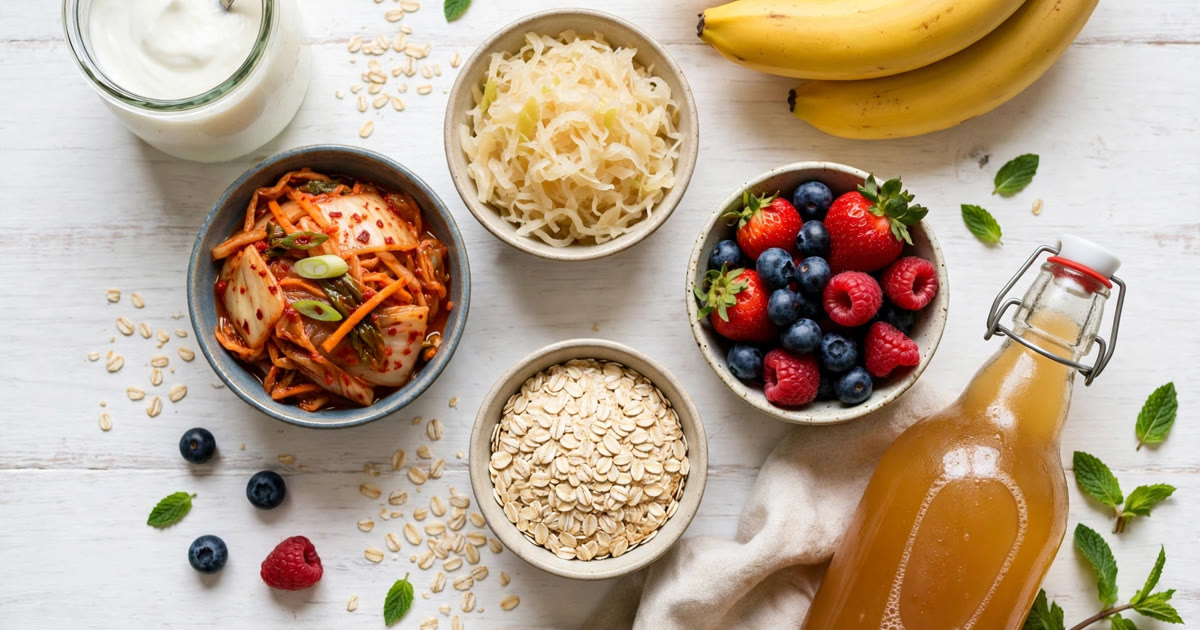
Your jeans fit fine at breakfast. By dinner, the waistband feels like it's staging a protest. Your stomach looks — and feels — swollen, tight, and full of air, even though you haven't eaten anything outrageous.
If that sounds familiar, you're in crowded company. Bloating is one of the most common digestive complaints in the United States, and surveys suggest up to 1 in 5 Americans deal with it regularly. Most of the time it's uncomfortable but harmless — and, crucially, fixable. The trick is figuring out which of the many possible causes is yours, because the fix for one can make another worse.
What's actually happening in there
Bloating is the sensation of fullness, tightness, or swelling in the abdomen. Sometimes it's mostly a feeling; sometimes your belly visibly distends — doctors call the visible kind abdominal distension.
In most cases, the culprit is gas. Your gut produces gas constantly as part of normal digestion — the average person passes gas 13 to 21 times a day, according to the National Institutes of Health. Problems start when gas builds up faster than it escapes, or when your gut is extra sensitive to normal amounts of it. People with irritable bowel syndrome (IBS), for example, often feel bloated from gas volumes that wouldn't bother anyone else.
There's also a second, less talked-about kind of bloating: water retention. High-sodium meals cause your body to hold onto water, and hormonal shifts (hello, PMS week) do the same. The fix for gas-bloating and water-bloating isn't always the same, which is why one-size-fits-all advice often disappoints.
The most common causes (and how to spot yours)
1. You're swallowing air. Eating too fast, drinking through straws, chewing gum, chugging carbonated drinks, and even talking while you eat all pump air into your digestive tract. That air has to come out as a burp or make the long trip south. Carbonated drinks are a double hit: a 12-ounce can of soda contains roughly 2 to 3 volumes of dissolved carbon dioxide that releases in your stomach. If you bloat most on days you drink seltzer or diet soda, you've found your suspect.
2. Too much sodium. The average American takes in about 3,400 mg of sodium a day, well above the FDA's recommended limit of 2,300 mg — and nearly 70% of it comes from packaged foods and restaurant meals, not the salt shaker. Sodium makes your body retain water, which can leave your whole midsection feeling puffy. A salty takeout dinner followed by morning bloat is a classic pattern.
3. A sudden fiber jump. Fiber is excellent for you — only about 5% of Americans get the recommended 25–30 grams a day — but going from almost none to a big bowl of beans or a fiber supplement overnight is a recipe for gas. Gut bacteria ferment fiber and produce gas as a byproduct; they need time to adjust to a bigger workload.
4. Lactose intolerance. The NIH estimates that about 65% of the world's population has reduced ability to digest lactose after infancy, and it's especially common among people of East Asian, West African, Arab, Jewish, Greek, and Italian descent. In the U.S., tens of millions of adults have some degree of lactose malabsorption. The telltale pattern: bloating, gas, and cramps that start 30 minutes to 2 hours after milk, ice cream, or a cheesy meal.
5. Fructose and sugar alcohols. Sorbitol, xylitol, and erythritol — the sweeteners in "sugar-free" gum, mints, and protein bars — are poorly absorbed and ferment enthusiastically in the colon. High-fructose foods (soda with high-fructose corn syrup, agave, apple juice, honey) can do the same in sensitive people.
6. Constipation. When stool backs up, everything behind it — including gas — backs up too. If your bloating comes with fewer than three bowel movements a week, hard stools, or straining, constipation is likely the real driver.
7. Artificial sweeteners and "diet" products. Beyond the sugar alcohols above, some people find that large amounts of sucralose or aspartame worsen their symptoms. The evidence is mixed, but a two-week trial without them costs nothing.
8. Hormonal shifts. Many women notice bloating in the week before their period, when estrogen and progesterone fluctuations cause water retention. It typically resolves within a few days of bleeding starting.
9. IBS or other gut conditions. If bloating is frequent, comes with cramping that eases after a bowel movement, and alternates with diarrhea or constipation, IBS is worth discussing with your doctor — it affects an estimated 10–15% of Americans. Celiac disease, inflammatory bowel disease, and small intestinal bacterial overgrowth (SIBO) are less common but real possibilities when symptoms are persistent.
Fixes that actually work
Forget the miracle cures. These are the strategies gastroenterologists recommend first:
- Take a 10- to 15-minute walk after meals. It's the single most underrated anti-bloat habit. Gentle movement helps gas move through and out instead of pooling. A slow stroll beats lying on the couch every time.
- Slow down and chew. Put the fork down between bites. Eating slowly cuts swallowed air dramatically, and thorough chewing gives digestive enzymes a head start. Aim for meals that take at least 20 minutes.
- Ditch the straws, gum, and carbonation for two weeks. This is a diagnostic test as much as a treatment — if your bloating drops noticeably, you've found a major contributor.
- Ramp fiber up gradually. Add about 5 grams a day each week, and drink more water as you do. Fiber without water can make constipation — and bloating — worse.
- Try a lactose experiment. Go lactose-free for two weeks (lactose-free milk tastes nearly identical), then reintroduce dairy and watch what happens. Lactase enzyme tablets taken with dairy also work for many people.
- Read labels for sugar alcohols. Words ending in "-ol" (sorbitol, mannitol, xylitol) in gum, mints, and "sugar-free" snacks are common stealth bloaters.
- Cut sodium where it counts. The biggest wins are bread, pizza, soup, deli meats, and restaurant meals. Cooking one more dinner at home per week often moves the needle more than any supplement.
- Consider peppermint oil — with caveats. Enteric-coated peppermint oil capsules have the best evidence of any "natural" remedy, particularly for IBS-related bloating. They can worsen heartburn, though, so skip them if reflux is an issue.
- Be skeptical of the rest. Gas-X (simethicone) helps some people and is safe to try, but the evidence is modest. Probiotics show mixed results — they help certain IBS patients and do nothing for others. Activated charcoal has little solid evidence. Save your money until the basics are covered.
Keep a food-and-symptom diary for two weeks. Note what you eat, when bloating hits, and how bad it is on a 1–10 scale. Patterns jump out fast — the 3 p.m. bloat that always follows the protein bar, the dairy-heavy weekends. This diary is also gold if you end up seeing a doctor.
Red flags: when bloating needs a doctor
Occasional bloating after a big meal is normal. See your doctor promptly if you notice any of these:
- Bloating nearly every day for more than 3 weeks
- Unexplained weight loss alongside the bloating
- Blood in your stool, black/tarry stools, or vomiting blood
- Severe or worsening abdominal pain
- Difficulty swallowing, or feeling full after tiny meals
- Persistent bloating with pelvic pain or urinary changes (in women, persistent daily bloating is worth evaluating — it's an uncommon but real symptom of ovarian issues)
- New, persistent bloating after age 50, especially with a change in bowel habits
- Swelling that's actually in your legs or ankles too, which can signal fluid retention from heart, liver, or kidney problems rather than gut gas
You don't need a dramatic symptom to justify a visit, either. If bloating is interfering with your daily life — what you wear, what you eat, whether you go out — that's reason enough to get checked.
The bottom line
For most Americans, bloating comes down to a short list: swallowed air, carbonation, sodium, a fiber jump, dairy, sugar alcohols, or constipation. Work through them one at a time — walk after meals, slow down, test the straws-and-seltzer theory, try two weeks lactose-free — and keep that diary. The majority of people find their answer within a month, no expensive tests or miracle products required.
And if the basics don't move the needle, or any red flag shows up, don't tough it out. Your gut is telling you something; a doctor can help translate.
Rao Sajid is the founder and editor of VitalDaily. He covers everyday health topics — nutrition, sleep, fitness and wellness — turning guidance from public-health sources like the CDC, NIH and FDA into plain, practical advice. More about Rao →
📚 Keep reading:
Why Is My Eye Twitching? Causes and How to Stop It
That annoying eyelid flutter is usually harmless — stress, caffeine, and too little sleep are the top triggers. Here's how to stop it, and the red flags that mean you should see a doctor.
Why Cold Sores Keep Coming Back — and How to Stop Them
Up to 80% of American adults carry the virus behind cold sores. Here's why outbreaks keep returning, which treatments actually shorten them, and how to prevent the next one.

Is Sparkling Water Bad for Your Teeth? What Dentists Say
Americans drink billions of gallons of sparkling water a year. But is all that fizz harming your enamel? Dentists and researchers weigh in on what the science actually shows.